

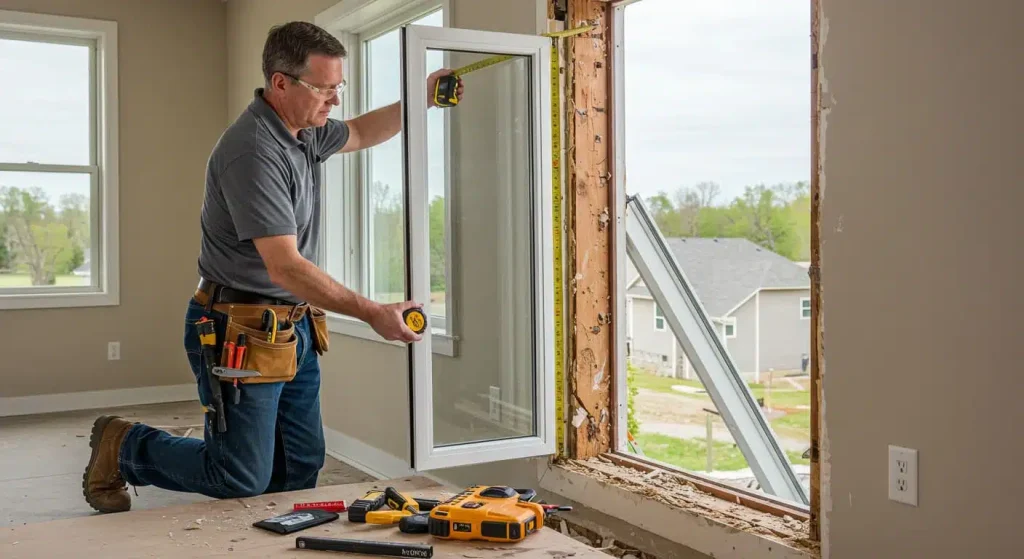



A window can look expensive or unfinished before anyone notices the glass, the paint color, or the view outside. That small frame around the opening carries more visual weight than most homeowners expect, and poor cuts show up fast in bright daylight. For many U.S. homes, window trim installation is the difference between a room that feels thoughtfully finished and one that still looks halfway through a remodel. The work is not mysterious, but it is honest. It rewards patience and punishes guessing.
Clean trim also changes how a room feels after a paint job, flooring update, or new curtains. A builder-grade window with sharp casing, tight miters, and a smooth caulk line can look far better than a pricey window surrounded by sloppy work. Homeowners who care about practical upgrades often look for trusted home improvement publishing resources because the best results come from simple decisions made in the right order. Measure well. Cut once. Test before fastening. That rhythm matters more than buying the fanciest trim in the aisle.
Planning the Trim Style Before a Saw Ever Starts
Good trim work starts before the first board touches the wall. The biggest mistake is treating trim as decoration only, when it also has to hide gaps, handle uneven drywall, and match the visual weight of the room. A narrow ranch casing may look fine in a small hallway, while a tall craftsman profile can balance a larger living room with wide baseboards and taller ceilings.
Choosing Window Casing That Fits the House
A Cape Cod in Massachusetts and a new subdivision home in Texas should not always wear the same trim. Older homes often look better with casing that respects their original proportions, even if the material is new. A simple stool-and-apron detail under the window can make a plain bedroom feel built-in rather than boxed in.
Modern homes usually need cleaner lines. Flat stock trim, square edges, and restrained reveals work well when the room already has simple doors, smooth walls, and minimal crown molding. The goal is not to make the window loud. The goal is to make it belong.
Material also changes the feel of the job. Primed pine cuts easily and paints well, but it can move slightly with humidity. MDF stays smooth and flat in many interior rooms, though it dislikes moisture near bathrooms, laundry rooms, and old drafty windows. PVC works near damp areas, but indoors it can look a little too plastic unless painted with care.
Matching Trim Width to Wall and Window Scale
Trim that is too skinny makes a large window look underdressed. Trim that is too wide can crowd a small window and make the wall feel heavy. A common U.S. interior casing width falls between 2¼ and 3½ inches, but the room should decide, not the package label.
Ceiling height matters more than people think. In an eight-foot room, oversized trim can feel forced unless the baseboards and door casing carry similar weight. In a room with nine- or ten-foot ceilings, thin trim may look like an afterthought. The eye reads proportion faster than it reads style.
One useful trick is to hold sample boards against the wall before buying full lengths. Stand across the room, not right next to the window. Trim seen from three feet away can look perfect, then disappear from twelve feet away. That distance test saves money and prevents regret.
Window Trim Installation Steps That Prevent Gaps and Uneven Lines
Clean work comes from sequence, not speed. When the rough opening, jamb, drywall, and wall surface are not perfectly even, the trim has to bridge those flaws without advertising them. That is why the smartest installers test each piece, adjust the reveal, and fasten only when the whole frame makes sense.
Setting a Consistent Reveal Around the Jamb
The reveal is the small visible edge of the jamb left inside the trim. Many homeowners ignore it, then wonder why the finished casing looks wavy. A reveal that shifts from ⅛ inch at the top to ⅜ inch along the side makes the window look crooked, even when the trim cuts are accurate.
Marking the reveal before cutting keeps the job controlled. Use a small combination square or a homemade spacer and draw light pencil marks around the jamb. Those marks become the guide for placing every piece. They also help you catch a bowed jamb before the casing hides it.
Uneven drywall can fight the trim. If one corner sits proud, forcing the casing flat can open a miter or twist the board. A small shim behind the low side often works better than brute force. Trim is thin, but it still tells the truth about what sits behind it.
Cutting Miters, Butt Joints, and Returns With Patience
Mitered corners look clean when the window is square and the saw is tuned. Many windows are not square. That does not mean the job is doomed, but it does mean a perfect 45-degree cut may not close tightly. Test pieces matter here because they reveal what the wall is doing before the real casing gets shortened beyond repair.
Craftsman-style trim often uses butt joints instead of miters. That can be easier for a careful DIYer, but it still needs crisp lengths and square ends. The top header usually extends past the side casing, giving the window a heavier cap. Done well, it looks intentional. Done loosely, it looks like a pile of boards.
Returns need extra attention when trim stops against tile, cabinets, or a tight inside corner. A small return piece can finish the edge instead of leaving exposed end grain. It takes a few more minutes, but it gives the job a professional finish that paint alone cannot fake.
Fastening, Filling, and Caulking Without Making a Mess
The finish stage can save a decent trim job or ruin a good one. Nail holes, caulk lines, and paint edges sit at eye level around many windows, especially in kitchens and living rooms. Sloppy finishing does not look rustic. It looks rushed.
Nailing Trim So Boards Stay Flat
A finish nailer makes the job faster, but it does not replace judgment. Nails should hold the casing to the jamb and the wall framing where possible. Too many nails near the edge can split wood trim or leave a row of dents that show through paint.
Hand nailing still works, especially on small repairs. The trick is to set the nail slightly below the surface without crushing the trim. A nail set gives better control than hammering until the head disappears. Small damage becomes large once primer and paint catch the light.
Long casing pieces sometimes need persuasion. If a board bows away from the wall, press it into position before fastening, then nail from the center outward. That keeps the piece from creeping as you work. A quiet, steady approach beats wrestling the trim after every nail.
Filling Nail Holes and Caulking Edges the Right Way
Wood filler belongs in nail holes and small surface defects. Caulk belongs where trim meets wall, jamb, or another painted surface that may move slightly. Mixing those jobs creates problems. Caulk in nail holes can shrink into little dimples, while hard filler in wall gaps can crack as the house moves.
Use less caulk than instinct tells you. A thin bead smoothed cleanly looks better than a fat line smeared across both surfaces. In many U.S. homes with textured walls, too much caulk creates a shiny border that catches light and makes the trim look outlined.
Corners deserve restraint too. If a miter has a hairline gap, a little filler and careful sanding may hide it. If the gap is wide, forcing caulk into it usually makes the mistake more visible. Sometimes the honest fix is recutting one side, even if that means sacrificing a board.
Paint, Touch-Ups, and Final Checks for a Professional Finish
Paint is where the window finally becomes part of the room. The trim may be cut well and fastened properly, but poor sanding, dusty primer, or careless brushwork can dull the whole result. This stage rewards a slower hand because light from the window exposes every ridge and missed edge.
Sanding and Priming Before the Final Coat
Primer is not a formality. It seals filler, evens out porous spots, and helps paint sit consistently across different materials. Primed finger-jointed trim may still need spot priming over cuts and filled nail holes, especially near corners where raw wood is exposed.
Sanding should smooth the repair, not reshape the profile. Over-sanding a detailed casing rounds the edges and weakens the crisp lines that make trim look sharp. A fine sanding sponge works well for small curves, while flat areas need a light, even pass.
Dust control matters around windows because sunlight turns tiny particles into obvious flaws. Vacuum the sill, wipe the trim with a tack cloth or damp microfiber, and check the corners before opening the paint can. The best paint cannot hide grit trapped under the brush.
Checking the Finished Trim in Real Room Light
Freshly painted trim should be inspected at different times of day. Morning light may show one side of the casing, while afternoon light reveals brush marks on the other. A window that looked perfect under a work light can tell a different story when the sun hits it sideways.
Step back and read the whole wall. The reveal should look even, the casing should sit flat, and the caulk line should fade into the paint instead of shouting for attention. Small touch-ups are normal, but chasing every tiny flaw can turn a clean finish into an overworked one.
Good trim also changes how you judge future projects. Once you see how much cleaner a room feels with finished window edges, rough door casing or tired baseboards become harder to ignore. That is not a problem. It is a sign that your eye is getting better.
Conclusion
A finished window should not beg for attention. It should quietly sharpen the room, frame the light, and make the wall feel complete. That kind of result comes from steady choices, not secret trade tricks. You pick trim that fits the house, mark the reveal, cut with care, fasten with control, and finish like the sunlight will inspect your work because it will.
The best part is that this project teaches useful habits. Once you understand window trim installation, you start noticing proportion, shadow lines, paint buildup, and the small details that separate rushed repairs from lasting work. Those skills carry into doors, baseboards, built-ins, and almost every interior upgrade that follows.
Start with one window in a low-pressure room, treat every step as practice, and do not let speed become the goal. Measure twice, test the fit, and give the finish the patience it deserves.
Frequently Asked Questions
What tools do I need for installing interior window trim?
A miter saw, tape measure, pencil, level, finish nailer or hammer, nail set, caulk gun, sanding sponge, and putty knife cover most interior jobs. A combination square also helps mark an even reveal, which makes the finished trim look cleaner.
How wide should interior window casing be?
Most interior window casing ranges from 2¼ to 3½ inches wide, but room size matters. Smaller rooms often look better with narrower casing, while taller rooms can handle wider trim. Match nearby door casing and baseboards so the room feels balanced.
Should I use MDF or wood trim around windows?
MDF works well in dry interior rooms because it paints smoothly and stays flat. Wood is better when you want stronger edges, natural grain, or better resistance to small bumps. Avoid MDF near damp windows, bathrooms, and laundry areas.
How do I fix gaps in window trim corners?
Small gaps can be filled, sanded, and painted. Wide gaps usually need a better cut, especially on mitered corners. Caulk can hide tiny movement lines, but it should not be used to cover poor fitting because it often shrinks and draws attention.
Do I need to remove old trim before installing new casing?
Old trim should come off if it is damaged, poorly fitted, or too thin for the new design. Use a utility knife to score paint lines first, then pry gently with a flat bar. Protect the wall so repairs stay minor.
What is the reveal on window trim?
The reveal is the narrow visible edge of the window jamb left between the trim and the inner opening. Keeping that reveal even on all sides makes the window look square and professional, even when the wall itself is not perfect.
Can I install window trim without a nail gun?
A nail gun is helpful but not required. Finish nails, a hammer, and a nail set can do the job well with patience. Pre-drilling near board ends helps prevent splitting, especially when working with wood casing or small return pieces.
Should window trim be caulked before or after painting?
Caulk after filling nail holes, sanding, and priming, then paint over the caulk once it cures. This gives the edge a cleaner finish and helps the trim blend into the wall. Use a thin bead rather than a heavy line.

Leave a Reply