
Electrical circuits are designed to carry a specific amount of power, but modern homes often demand far more electricity than older systems were built to handle. When too many devices run on the same circuit, it becomes overloaded, which can lead to overheating, power failures, or even electrical fires.
Overloaded circuits are especially common in older homes or spaces where multiple high-energy appliances are used at the same time. Understanding the warning signs early helps homeowners prevent damage to appliances and reduce serious safety risks. Recognizing these issues is an important step in maintaining a safe and efficient electrical system.
What Causes an Electrical Circuit to Become Overloaded
A circuit becomes overloaded when the total electrical demand exceeds its capacity. This often happens when too many appliances or devices are plugged into a single circuit. High-power items such as heaters, microwaves, hair dryers, and air conditioners are common contributors to this problem.
Another cause is outdated electrical systems that were not designed for modern energy usage. Older homes, in particular, may have fewer circuits, forcing multiple devices to share limited capacity. This imbalance increases strain on the system and raises the risk of overheating and electrical failure.
Common Warning Signs of Overloaded Circuits
One of the most noticeable signs of an overloaded circuit is frequent tripping of circuit breakers. When a breaker trips repeatedly, it is often a protective response to excessive electrical load. This should not be ignored, as it indicates that the system is being pushed beyond its safe limit.
Other warning signs include flickering or dimming lights when appliances are used, buzzing sounds from outlets, or warm wall plates. In some cases, homeowners may also notice a burning smell near outlets or switches. These symptoms indicate that the circuit is under stress and requires immediate attention.
How Appliances Affect Circuit Load
Different appliances consume different amounts of electricity, and understanding this is key to identifying overloaded circuits. Large appliances such as refrigerators, ovens, and washing machines require significantly more power than smaller devices like lamps or chargers.
Problems often arise when multiple high-energy appliances operate simultaneously on the same circuit. For example, using a microwave and toaster at the same time in a kitchen can easily exceed circuit capacity. This imbalance forces the system to work harder than it is designed to, increasing the risk of overload.
The Role of Electrical Panel Limitations
The electrical panel is responsible for distributing power throughout the home. In older homes, panels may have limited capacity and fewer circuits, which makes it easier for overloads to occur. Modern homes are typically designed with higher capacity systems to accommodate increased electrical demand.
When a panel is outdated or undersized, it struggles to manage multiple active circuits efficiently. This can lead to frequent breaker trips and uneven power distribution. Upgrading the panel is often necessary to ensure safe and reliable electrical performance.
Why Flickering Lights Should Not Be Ignored
Flickering lights are often dismissed as minor issues, but they can be a clear sign of an overloaded circuit. When voltage fluctuates due to excessive load, lighting becomes inconsistent. This is especially noticeable when large appliances are turned on or off.
Persistent flickering should always be investigated, as it may indicate deeper wiring or load distribution problems. Ignoring this symptom can lead to more serious electrical issues over time. Proper diagnosis is essential to ensure safety and stability within the home’s electrical system.
Identifying High-Risk Areas in the Home
Certain areas in a home are more prone to overloaded circuits due to heavy appliance usage. Kitchens, laundry rooms, and entertainment areas typically have multiple devices running at the same time. These spaces require careful load management to prevent electrical strain.
Homeowners should be especially cautious in areas where extension cords or power strips are frequently used. These temporary solutions often mask underlying circuit limitations and can increase the risk of overload if used improperly or excessively.
The Importance of Professional Electrical Inspection
While some signs of overloaded circuits are easy to notice, identifying the root cause requires professional expertise. A qualified electrician can assess the electrical system, measure load distribution, and determine whether circuits are operating safely.
Professional evaluation ensures that potential hazards are addressed before they escalate. Working with a Licensed residential electrician helps homeowners understand their system’s limitations and identify necessary upgrades or repairs.
Preventing Overloaded Circuits Through Proper Usage
Preventing overloaded circuits often comes down to managing electrical usage wisely. Distributing appliances across different circuits and avoiding excessive use of high-energy devices at the same time can significantly reduce strain on the system.
Homeowners should also avoid relying heavily on extension cords, as they are not designed for long-term high-load usage. Proper usage habits help maintain electrical balance and reduce the likelihood of system overload.
When to Contact an Electrical Professional
If circuit breakers are frequently tripping or warning signs are consistently present, it is important to seek professional help. These issues should not be ignored, as they can indicate serious underlying electrical problems.
Trusted experts like Edison Electric provide thorough inspections and solutions tailored to residential electrical systems. Their experience ensures that overloaded circuits are properly diagnosed and safely resolved.
Conclusion
Overloaded circuits are a common but serious issue in many homes, especially those with outdated electrical systems or high energy demands. Recognizing the warning signs early—such as flickering lights, tripping breakers, and warm outlets—can help prevent dangerous situations.
By understanding how circuits become overloaded and managing electrical usage carefully, homeowners can significantly improve safety. When in doubt, professional inspection is always the safest option to ensure that the home’s electrical system remains reliable, efficient, and secure.
Related Posts

TV Mounting Vancouver for Beautiful Living Rooms
The living room is one of the most important spaces…
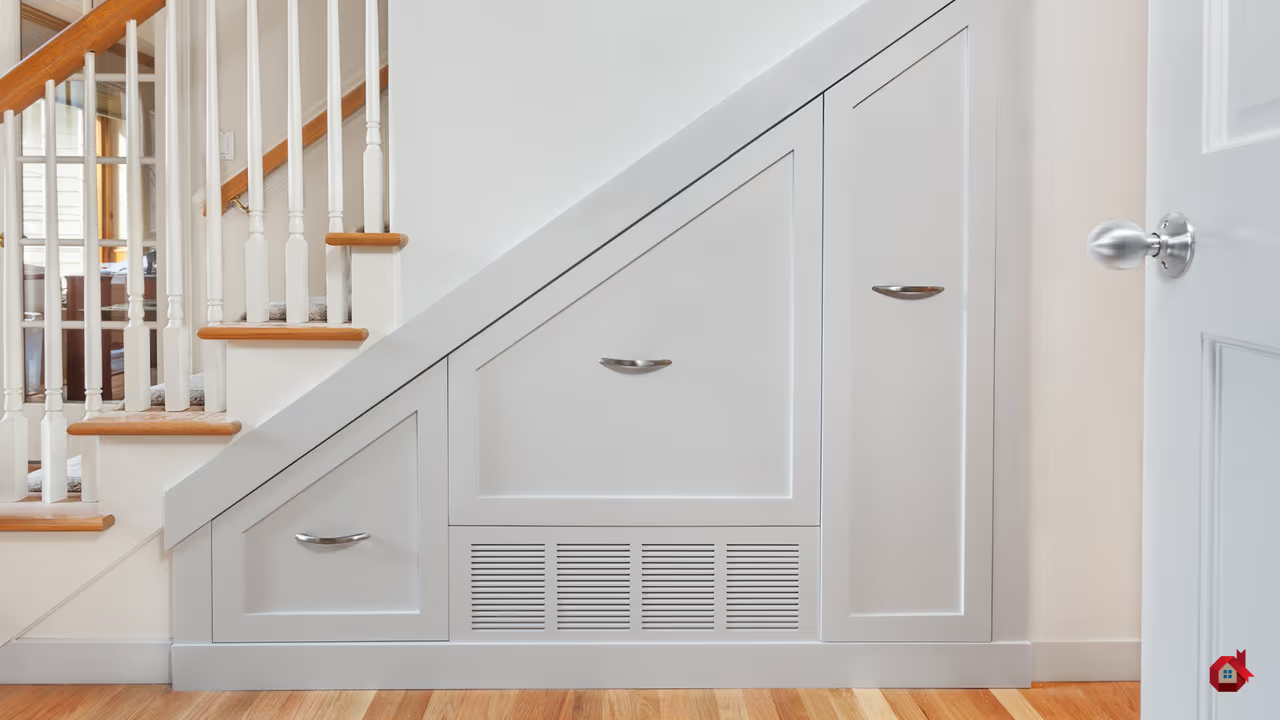
Basement Staircase Enclosed Storage Ideas Using Every Step Efficiently
Most basements lose storage inches in the one place nobody…

Essential Villa Glow Updates for a Beautiful Home Look
A beautiful villa can still feel tired when the details…