

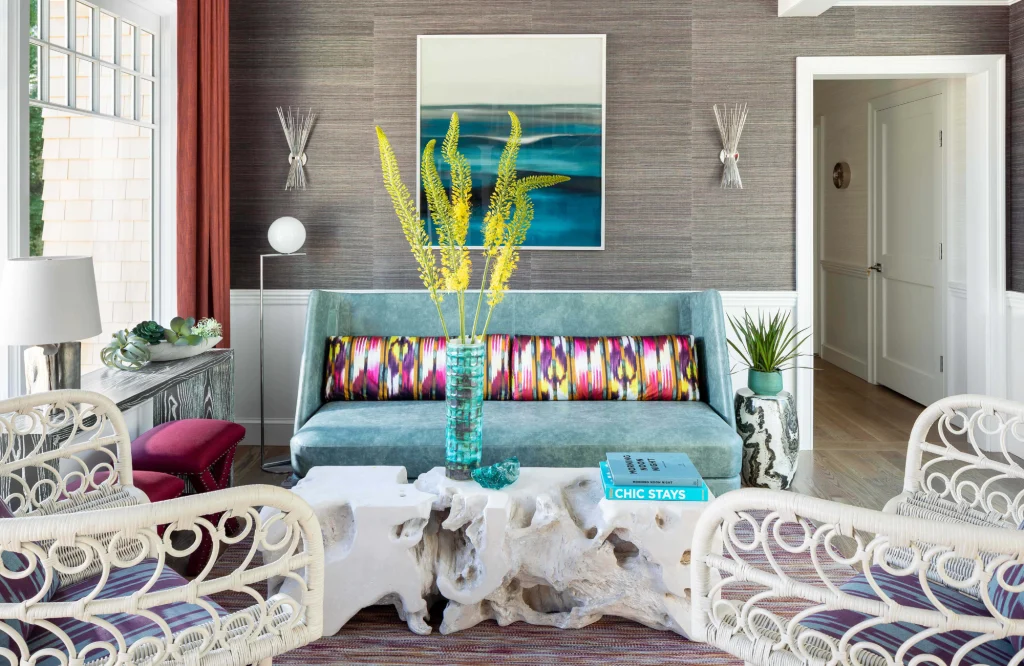



Boutique hotels have become known for their distinctive interiors, inviting atmosphere, and thoughtful attention to detail. Unlike large chain hotels that often follow a standardized design, boutique properties create memorable experiences through carefully selected colors, textures, furniture, and décor. The good news is that homeowners can borrow many of these design principles without undertaking a complete renovation. By focusing on comfort, personality, and functionality, it is possible to transform an ordinary house into a stylish and welcoming retreat.
Create A Thoughtful Entrance Like Bhumi Jankari Advance
The entrance sets the tone for the rest of the home, just as a boutique hotel lobby introduces guests to the property’s personality. A well designed entryway should feel organized, bright, and inviting. Consider adding a statement mirror, elegant lighting, a small console table, and fresh greenery. Keeping the space clutter free instantly creates a positive first impression. Even small decorative touches such as artwork or a textured rug can make the entrance feel warm and sophisticated. Just as bhumi jankari advance highlights the importance of organized information, an organized entry creates a sense of order and comfort from the very beginning.
Use Layered Textures Throughout Your Home With https://www.bhulekhuk.org
One characteristic that makes boutique hotels feel luxurious is the thoughtful combination of textures. Crisp bedding, soft throws, woven baskets, velvet cushions, natural wood, and stone finishes all work together to create visual interest. Rather than relying on expensive furniture, focus on mixing different materials that complement one another. This approach adds warmth and depth without overwhelming the room. A balanced combination of textures makes any living space feel carefully curated and timeless while reflecting the same level of detail associated with https://www.bhulekhuk.org.
Design Flexible Spaces With Kaveri 2.0 Online Registration
Boutique hotels maximize every square foot by designing rooms that serve multiple purposes. Homeowners can apply the same strategy by creating flexible living areas. A guest room can double as a home office, while a dining corner may also function as a workspace. Foldable furniture, built in storage, and movable seating allow rooms to adapt to changing needs without sacrificing style. Inspired by the efficiency suggested by kaveri 2.0 online registration, modern homes benefit from layouts that support both everyday living and special occasions.
Choose Comfortable Bedrooms Featuring Kanya Sumangala Yojana Document
The bedroom is where boutique hotels truly excel. High quality bedding, calming colors, blackout curtains, and soft lighting all contribute to better rest. Homeowners can recreate this atmosphere by investing in comfortable mattresses, layered pillows, and premium linens. Avoid overcrowding the room with unnecessary furniture and instead focus on creating a peaceful environment. Decorative accents should be carefully selected rather than excessive. Like organizing an important kanya sumangala yojana document, every element in the bedroom should have a clear purpose while contributing to a relaxing atmosphere.
Focus On Lighting Instead Of Decoration
Lighting plays a significant role in boutique hotel interiors. Rather than depending on a single ceiling fixture, these spaces use multiple light sources to create different moods. Table lamps, wall sconces, floor lamps, and accent lighting work together to make rooms feel cozy and elegant. Warm lighting is generally more inviting than harsh white light and helps highlight architectural details and decorative features. By layering lighting throughout the home, every room becomes more comfortable during both day and evening hours.
Add Personal Character
One reason boutique hotels leave lasting impressions is their unique identity. Instead of copying trends, they incorporate local art, handcrafted décor, vintage furniture, or custom pieces that tell a story. Homes become more meaningful when they reflect the personalities and experiences of the people who live there. Display favorite books, travel souvenirs, family photographs, or handcrafted accessories in thoughtful ways. Personal touches create authenticity while ensuring the home remains timeless rather than trend driven.
Keep Spaces Organized Yet Welcoming
Luxury does not necessarily come from expensive materials. In many boutique hotels, cleanliness and organization create the greatest impression. Hidden storage, neatly arranged shelves, and uncluttered surfaces help rooms feel larger and more peaceful. Decorative items should be displayed intentionally instead of filling every available space. Maintaining organization also makes daily routines easier while preserving the elegance of each room.
Conclusion
Boutique hotels demonstrate that exceptional design is built on thoughtful details rather than extravagant spending. Welcoming entrances, layered textures, flexible layouts, relaxing bedrooms, balanced lighting, personal character, and organized spaces all contribute to a home that feels comfortable and sophisticated. By adopting these design lessons, homeowners can create interiors that combine beauty with practicality. Every room becomes more enjoyable when it is designed with intention, offering both everyday comfort and a memorable experience for family members and guests alike.

Leave a Reply