
A villa can look expensive and still feel cold the moment you walk through the door. Real comfort comes from glow, proportion, texture, and the kind of lighting that makes a room feel lived in rather than staged. The best Villa Glow Tips are not about filling every corner with lamps or gold accents; they are about shaping warmth so the space feels calm, polished, and personal. A home with generous rooms, tall windows, or open lounges needs more than decoration. It needs rhythm. It needs small decisions that soften scale, guide the eye, and make each area feel welcoming after sunset. Many homeowners focus on furniture first, then wonder why the mood still feels flat. The better move is to treat glow as the backbone of the whole design. Even home design visibility improves when interiors carry a clear mood, because spaces that feel intentional always photograph and live better. Stylish interior comfort starts when beauty stops shouting and begins serving the people inside the room.
Building a Warm Lighting Plan Before Choosing Decor
Light decides the mood before furniture gets a chance to speak. A villa usually has larger rooms, wider walls, and deeper corners than a standard home, so one ceiling fixture rarely does enough. The smartest lighting plan works in layers, because each layer has a different job: one helps you see, one creates mood, and one gives shape to architecture. Skip that structure, and even costly decor can look strangely unfinished.
Soft villa lighting ideas that make rooms feel calmer
Soft villa lighting works best when it comes from several low and middle-height sources rather than one bright point overhead. A pair of shaded table lamps near a sofa can do more for comfort than a chandelier that floods the entire room. Wall sconces beside artwork, floor lamps near reading chairs, and gentle under-shelf lighting all create small pockets of warmth.
The mistake many people make is chasing brightness instead of atmosphere. Brightness helps in kitchens and dressing areas, but lounges and bedrooms need a gentler hand. A living room should not feel like a showroom at 8 p.m. It should feel like the room has exhaled.
Warm bulbs matter here, but placement matters more. A badly placed warm bulb still creates glare, while a well-placed lamp can turn an ordinary corner into the best seat in the house. In a villa lounge, place light where people gather, not where the ceiling happens to have wiring.
Layering light for elegant home decor
Elegant home decor gains depth when lighting reveals texture instead of flattening it. A stone wall, linen curtain, carved console, or matte ceramic vase needs angled light to show its character. Direct overhead light often washes those details away, which is a shame because those surfaces carry much of the room’s charm.
A good rule is to build three lighting levels in main rooms. Use ceiling lights for broad visibility, lamps for warmth, and accent lights for detail. This keeps the room flexible, so breakfast, hosting, reading, and quiet evenings all feel natural in the same space.
One counterintuitive truth: darker corners can help a room feel richer. You do not need to light every inch. A few controlled shadows make the glowing parts feel softer and more intentional, almost like the room has its own quiet pulse.
Villa Glow Tips for Choosing Colors, Finishes, and Surfaces
Color does not glow by itself. It reflects, absorbs, or softens the light you give it. That is why Villa Glow Tips work best when paint, flooring, metal finishes, and fabrics support the same mood. A room painted in the wrong undertone can fight every lamp you add, while the right surface can make modest lighting feel layered and expensive.
Warm interior design tones that avoid looking heavy
Warm interior design does not mean turning every wall beige or every sofa brown. Warmth comes from undertone, balance, and restraint. A pale clay wall, ivory rug, honey-toned wood table, or muted olive accent can warm a room without making it feel dark.
Large villas often handle deeper colors well, but depth needs contrast. A cocoa media wall looks sharp when paired with light linen upholstery and aged brass lamps. The same wall can feel heavy if everything around it also leans dark. Warmth should wrap the room, not press down on it.
A useful test is to view samples at night under your actual bulbs. Paint that looks gentle in daylight can turn yellow or dull after sunset. Since villa comfort often matters most in the evening, judge color under the lighting you will live with.
Polished surfaces without the cold showroom effect
Reflective surfaces can help glow travel through a room, but too much shine makes interiors feel slippery and impersonal. Marble, glass, brass, mirror, and lacquer all need softer materials nearby. A glossy coffee table looks better on a wool rug. A brass pendant feels calmer above a timber dining table.
The trick is to mix reflection with absorption. Matte walls, woven shades, boucle chairs, cotton drapes, and aged woods keep shine under control. They let glow land gently instead of bouncing around the room like a camera flash.
Elegant home decor often fails when every surface tries to impress at the same time. One polished feature per zone is usually enough. Let the rest of the room support it quietly, and the whole space feels more confident.
Creating Comfort Through Furniture Placement and Scale
A villa gives you room to breathe, but empty space can become awkward fast. Furniture must create human-sized zones inside larger architecture. Stylish interior comfort depends on this step because glow feels best when it lands around real activity: a conversation area, a reading chair, a dining table, or a quiet bench near a window.
Stylish interior comfort through better seating zones
Stylish interior comfort starts with furniture that faces people, not walls. In a spacious lounge, pushing every sofa against the perimeter makes the center feel abandoned. Pull seating inward, anchor it with a rug, and let lamps sit close enough to create an evening circle.
Scale matters more than price. A tiny sofa in a grand room looks nervous, while an oversized sectional in a narrow area blocks movement and kills ease. The right piece leaves breathing room around it but still feels strong enough for the architecture.
One practical example: in a double-height living room, two facing sofas with a large square table often work better than one long sofa aimed at a television. The arrangement invites conversation first. The screen can still exist, but it no longer owns the room.
Cozy villa interiors that still feel open
Cozy villa interiors need boundaries, but not clutter. A rug can define a seating zone. A console behind a sofa can separate the lounge from a walkway. A pair of chairs near a window can turn unused space into a morning coffee spot. These moves add comfort without building walls.
The biggest surprise is that large furniture can make a room feel calmer. Small scattered pieces create visual noise because the eye has too many stops. Fewer, stronger pieces give the room order, and order makes comfort easier to feel.
Leave clear walking paths between zones. Comfort disappears when guests have to squeeze between tables or step around chairs. A villa should feel generous in movement, not crowded by the desire to decorate every square foot.
Adding Texture, Accessories, and Final Details With Restraint
The final layer gives a villa its personality, but this is where many rooms go wrong. Accessories should not behave like a collection of purchases. They should feel like evidence of taste, travel, family, routine, and calm attention. Warm interior design becomes convincing when the details feel chosen, not dumped into place.
Cozy villa interiors with textiles that soften the mood
Textiles change the emotional temperature of a room fast. Curtains, rugs, cushions, throws, and upholstered pieces absorb echo and soften hard architecture. This matters in villas because marble floors, tall ceilings, and broad glass panels can make sound bounce in ways that feel colder than the room looks.
Choose fabrics with touch in mind. Linen curtains move with air, wool rugs steady a seating area, and velvet cushions add evening depth without needing much pattern. A bedroom with layered bedding and shaded lamps feels finished before a single decorative object appears.
Pattern can help, but it needs discipline. One patterned rug or a few printed cushions can bring life to neutral rooms. Five competing patterns turn comfort into noise, and the room loses its glow under the pressure of too many ideas.
Soft villa lighting and accessories that finish the room
Soft villa lighting should guide the last layer of styling. Place accessories where light can flatter them: a ceramic bowl beneath a sconce, books beside a lamp, branches in a vase near a window, or a framed piece where evening light catches its edge. Objects look better when they belong to a lit moment.
Personal items need room around them. A console with three meaningful pieces can feel stronger than one covered with small decor. Negative space is not emptiness; it is the pause that lets beauty register.
The best Villa Glow Tips end with restraint because glow loses power when everything competes. Edit one more item than feels comfortable. Then sit in the room at night and notice what still feels alive. That is usually where the design is working.
Conclusion
A stylish villa does not become comfortable because it has expensive finishes or large rooms. It becomes comfortable when every choice supports the way light, texture, color, and movement work together after daily life begins. Glow is not decoration added at the end; it is the mood system of the home. When you choose lamps before accessories, test colors under evening light, scale furniture around people, and soften hard surfaces with textiles, the whole interior starts to feel more settled. Villa Glow Tips work because they push you away from random decorating and toward decisions that shape how the home feels hour by hour. Start with one room tonight: turn off the harsh overhead light, switch on two lower lamps, remove one unnecessary object, and see what the space is trying to become. A villa feels most beautiful when it finally feels like someone belongs there.
Frequently Asked Questions
What are the best villa glow tips for a living room?
Start with layered lighting, then build comfort around it. Use table lamps, floor lamps, wall lights, and one soft overhead source instead of relying on a single bright fixture. Add textured rugs, warm-toned fabrics, and furniture grouped for conversation.
How can soft villa lighting improve interior comfort?
Soft lighting reduces glare, warms surfaces, and makes large rooms feel more personal. It helps people relax because the room no longer feels exposed from every angle. Lamps, sconces, and dimmable bulbs give you better control over mood.
What colors work best for warm interior design in villas?
Clay, ivory, sand, taupe, warm white, muted olive, soft terracotta, and honey wood tones work well. The goal is warmth without heaviness. Test every shade at night, because evening lighting changes how undertones appear.
How do I create cozy villa interiors without clutter?
Use rugs, larger furniture pieces, curtains, and focused seating zones to create comfort without filling every corner. Keep accessories limited and meaningful. A few strong choices make a villa feel calmer than many small decorative items.
What makes elegant home decor feel warm instead of formal?
Warm elegance comes from balance. Pair polished materials with soft fabrics, mix metal finishes with wood, and keep lighting gentle. Formal rooms often feel stiff because everything looks perfect but nothing invites people to stay.
How should I arrange furniture for stylish interior comfort?
Pull seating away from walls when space allows, place chairs where people can talk easily, and anchor each zone with a rug or table. Keep clear walkways so the room feels generous, not crowded or staged.
Which lighting mistakes make a villa feel cold?
Using only ceiling lights is the biggest mistake. Cool bulbs, exposed glare, dark unused corners, and lights placed far from seating can make rooms feel flat. Good lighting sits near daily activity and supports the room’s natural rhythm.
Can small decor changes create a villa glow effect?
Small changes can shift the mood fast. Replace harsh bulbs, add a shaded lamp, hang fuller curtains, bring in a textured rug, and remove extra accessories. These moves help light spread softly and make the room feel more intentional
Related Posts

Window Trim Installation Guide for Clean and Professional Looking Results
A window can look expensive or unfinished before anyone notices…
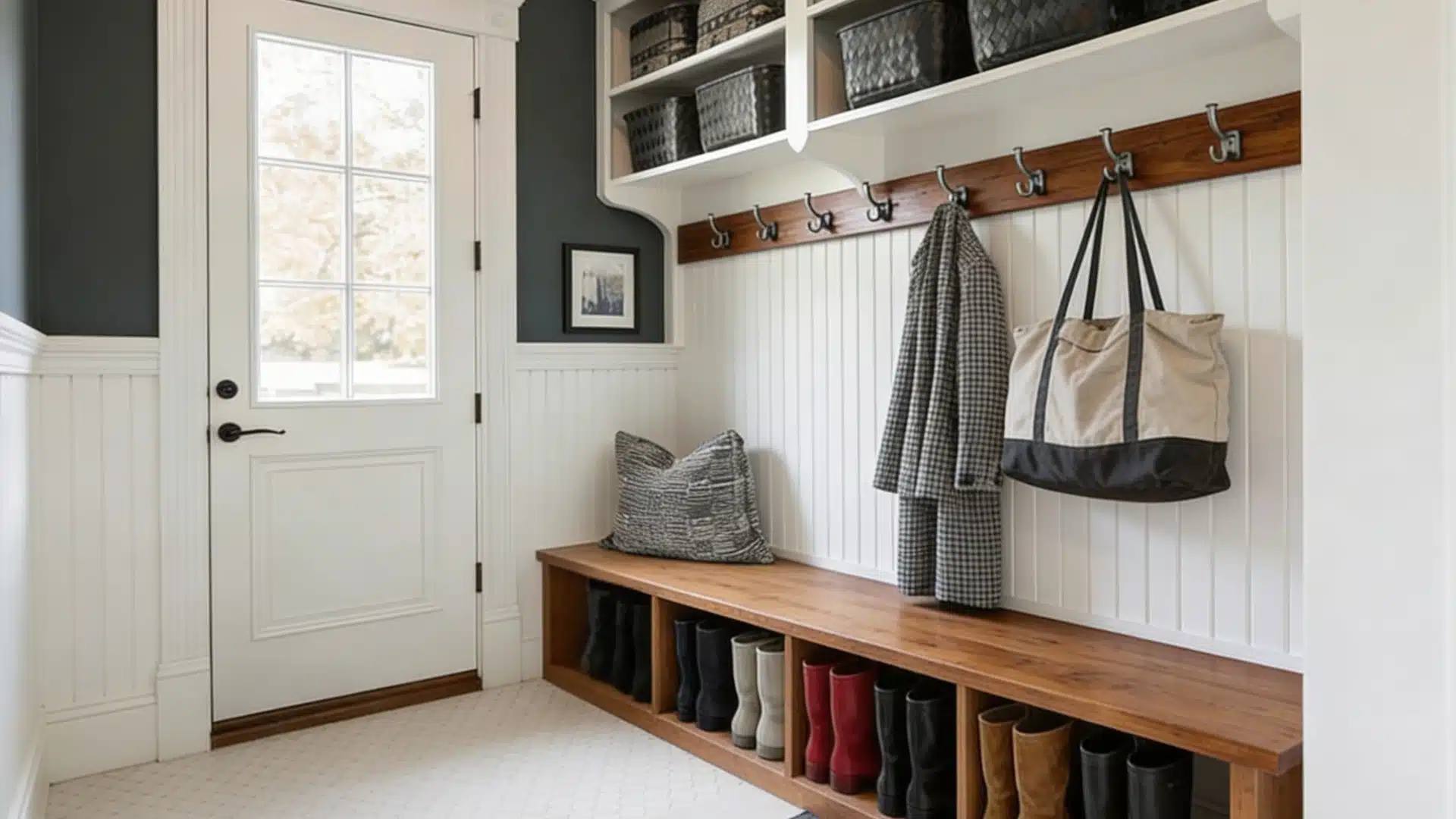
Mudroom Locker System Installation for Large Families and Busy Households
A crowded entry can make the whole house feel out…

Essential Villa Glow Changes for a More Inviting Home
A home can look expensive and still feel cold. That…