
A beautiful villa can still feel tired when the details stop working together. Light falls flat, rooms feel heavier than they should, and the finishes that once looked polished begin to read as unfinished. The best Villa Glow Updates do not depend on tearing everything out or chasing whatever design trend is loud this month. They come from correcting the small visual breaks that make a home feel dim, dated, or disconnected. When you treat glow as a full home language, not a lamp choice, every room starts carrying more warmth and intention. A refined space also benefits from thoughtful visibility, which is why many design brands build trust through premium home lifestyle exposure that connects a beautiful setting with the right audience. Your villa deserves that same level of care inside its own walls. The goal is not to make every corner shine. The goal is to make the home feel alive without making it feel staged.
Light Should Shape the Mood Before Decor Tries to Fix It
Lighting decides whether a room feels expensive before furniture gets a chance to speak. A villa with fine stone, tall ceilings, and wide rooms can still feel cold when the light comes from one harsh ceiling source. This is where many owners spend money backward. They buy new decor, then wonder why the room still lacks a beautiful home look. The room was not missing objects. It was missing atmosphere.
Villa lighting ideas that make rooms feel warmer
Good villa lighting ideas begin with layers, not brightness. A living room needs ambient light for general use, soft side lighting for evening comfort, and focused lighting where reading, serving, or display happens. One ceiling fixture cannot carry all those jobs without flattening the room. When every lamp has a role, the space feels calmer and more finished.
A strong example is a lounge with marble floors and cream walls. Under a white overhead bulb, it can feel like a showroom after closing time. Add shaded table lamps, wall washers near textured surfaces, and warm recessed lights around the seating zone, and the same room feels settled. Nothing changed except the way the surfaces received light.
The best villa lighting ideas also respect shadow. Shadows give shape to arches, wall panels, artwork, and ceiling depth. Too much brightness kills that dimension. A warm interior design plan should let some corners rest, because glow only works when darkness has somewhere to sit.
How layered lighting prevents a flat beautiful home look
A beautiful home look depends on visual rhythm. Your eye should move from one soft point to another without feeling pushed around. Floor lamps near reading chairs, sconces beside mirrors, and concealed lighting along shelves can guide that movement. The room begins to feel designed rather than filled.
Many villas fail here because the lighting plan treats every room the same. A dining area needs intimacy, a kitchen needs clear task lighting, and a hallway needs gentle guidance. When each zone gets its own light behavior, elegant home updates start feeling built into the architecture instead of placed on top of it.
The counterintuitive part is simple: dimmer often looks richer. A warm lamp beside a textured wall can do more for a villa than another large chandelier. Glow should whisper first. Let the dramatic pieces speak after the room already feels right.
Materials Create Depth When They Stop Fighting Each Other
Once the light behaves, the next problem becomes visible. Many villas do not lack quality materials; they lack agreement between them. Glossy tiles, heavy curtains, polished metal, painted trims, and patterned upholstery can all be good choices alone. Together, they may create noise. A warm interior design approach asks every surface to support the same emotional temperature.
Warm interior design through texture balance
Warm interior design is not limited to beige walls and wooden tables. It comes from texture balance. Smooth stone needs something woven nearby. Painted walls feel better with fabric, cane, brushed metal, or matte ceramics in the same visual field. The contrast keeps the room from feeling sterile.
Consider a villa bedroom with a lacquered wardrobe, glossy floor, and satin bedding. Each item may look polished, but the combined effect can feel slippery. Add a linen headboard, a wool rug, and matte bedside lamps, and the room gains grip. The eye finally has something to rest on.
This is where many elegant home updates go wrong. They add luxury without adding touch. A home does not feel inviting because everything shines. It feels inviting because the surfaces seem pleasant to live with at 7 a.m. and 11 p.m., not only during a photo.
Elegant home updates that make old finishes feel intentional
Elegant home updates do not always require replacing old finishes. Sometimes they need better neighbors. Dark wood doors can look dated beside cold gray walls, but they can feel rich beside warm stone, cream paint, and antique brass handles. The finish did not change. Its context did.
A practical case is an older villa hallway with brown stair railings and beige flooring. Many owners would paint the wood black or white out of frustration. A better move might be warm wall paint, soft runner carpeting, and art with earth tones. Suddenly the railing reads as heritage, not a leftover.
The unexpected lesson is that mismatch often comes from isolation. A finish looks wrong when nothing else in the room speaks its language. Repeat its tone once or twice in smaller details, and the design starts looking deliberate. That is cheaper than replacement and often far more tasteful.
Layout Choices Decide Whether Beauty Feels Livable
A villa can look impressive and still feel awkward. Oversized furniture blocks movement, seating floats without purpose, and decorative corners collect objects that nobody enjoys. Beauty loses power when daily use feels clumsy. A beautiful home look has to survive real movement, real guests, and real evenings when no one wants to sit stiffly for the sake of design.
Beautiful home look without crowding the room
A beautiful home look improves when furniture stops competing with the architecture. Villas often have strong bones: arches, staircases, tall windows, ceiling details, or garden views. Furniture should frame those strengths, not block them. A sofa placed too close to a window can steal the room’s best feature without meaning to.
One common mistake is filling every open area because the villa has space. Empty floor is not wasted space. It gives the room dignity. A wide walkway between seating and a terrace door can make the whole lounge feel more generous than an extra accent chair ever could.
The same thinking applies to decor. One large vessel on a console can carry more authority than five small objects scattered across it. Scale matters. When your pieces breathe, the home feels confident.
How flow changes the feel of elegant home updates
Flow is the invisible part of design that people notice only when it fails. Guests should understand where to walk, where to sit, and where to look without asking. Elegant home updates should reduce small moments of confusion. A chair blocking a natural path may look fine in a photo, but it quietly irritates everyone who lives there.
A dining room offers a clear example. If the table sits too close to a sideboard, serving becomes awkward. If pendant lights hang too high, the room loses intimacy. If the rug is too small, chairs catch on the edge. None of these problems seem dramatic alone, but together they make the room feel unfinished.
The fix is rarely glamorous. Move the table six inches. Lower the light. Choose a larger rug. These decisions do not sound exciting, yet they change how the room behaves. Good design often lives in inches, not grand gestures.
Color, Art, and Finishing Details Bring the Glow Home
After lighting, materials, and layout are working, the final layer can do its job. Color and art should not carry the entire design alone. They should finish the mood already created by the room. This is where personality enters, and it needs discipline. A villa without character feels rented. A villa with too much character in every corner feels restless.
Villa lighting ideas for art, mirrors, and feature walls
Villa lighting ideas become especially powerful around art and mirrors. A painting without proper light can disappear, while a modest piece under a warm picture light can feel important. Mirrors also work harder when they reflect lamps, garden views, or textured walls rather than blank ceilings.
Feature walls need restraint. A stone wall, wood panel, or textured plaster surface should receive light from an angle, not a harsh front blast. Side lighting reveals depth and makes the wall feel crafted. Direct glare makes it look flat and expensive for no reason.
A warm interior design scheme should treat art as part of the room’s breathing pattern. Hang fewer pieces, give them space, and light them with care. A villa does not need gallery density to feel cultured. It needs selection.
Finishing touches that keep a warm interior design grounded
Final details work best when they feel collected, not purchased in one afternoon. Books, bowls, trays, cushions, plants, and framed photographs can give a villa warmth, but only when they match the home’s scale. Tiny accessories on a long console look nervous. A large ceramic bowl, a stack of art books, and one sculptural lamp feel more at home.
Color should also move with purpose. Choose one quiet base, one supporting tone, and one accent that appears in small moments. For example, ivory walls, walnut furniture, and muted olive accents can feel calm without going bland. The palette should feel like a conversation, not a shouting match.
The most overlooked finishing detail is scent. A home can look polished and still feel incomplete if it smells stale, chemical, or overly perfumed. Clean air, fresh textiles, and a light natural scent can complete the sensory picture. Glow is not only what you see. It is what the room makes you feel before you name why.
Conclusion
A villa becomes beautiful when its choices stop acting alone. Light needs to shape the rooms, materials need to agree, layout needs to support real life, and finishing details need to add character without stealing peace. That is the difference between decoration and presence. The smartest Villa Glow Updates are not the loudest ones; they are the ones that make every room feel considered the moment you step inside. Start with the area that bothers you most at night, because evening exposes weak design faster than daylight does. Adjust the lighting, remove one unnecessary object, soften one hard surface, and notice how quickly the room changes. Then move through the home with the same eye. Choose fewer things, choose them better, and let your villa glow from decisions that feel calm, confident, and lived in.
Frequently Asked Questions
What are the best villa glow updates for a beautiful home look?
Start with lighting, texture, and layout before buying more decor. Warm lamps, balanced materials, and open movement paths create a richer effect than random accessories. Once the room feels calm and usable, add art, plants, and accent pieces with restraint.
How can villa lighting ideas improve a dull living room?
Layered lighting gives a living room depth and comfort. Use ceiling lights for general brightness, table lamps for softness, and wall lights for texture. Warm bulbs and dimmers make the space feel relaxed instead of harsh or flat.
What colors work best for warm interior design in a villa?
Cream, sand, clay, taupe, walnut, olive, and muted terracotta work well because they flatter natural light and larger rooms. The best palette uses one calm base, one grounding tone, and one controlled accent for depth.
How do I create a beautiful home look without major renovation?
Change what the eye notices first. Improve lighting, edit clutter, add larger rugs, replace tired handles, and hang art at the right height. These updates cost less than renovation but can shift the entire mood of a room.
Which elegant home updates make the biggest difference quickly?
New lighting, better curtains, upgraded hardware, larger rugs, and cleaner styling create fast impact. These changes affect how the room feels every day, which matters more than adding expensive pieces that do not solve the real problem.
How can I make a villa feel cozy without making it look smaller?
Use soft textures, warm light, and grouped seating while keeping walkways open. Coziness comes from comfort and proportion, not clutter. Large rooms still need breathing space, so avoid filling every corner with furniture.
What mistakes ruin villa lighting ideas?
Relying on one ceiling light is the biggest mistake. Cold bulbs, glare, poor lamp placement, and no dimmers can also flatten the space. Good lighting should create zones, highlight texture, and support how each room is used.
How often should I refresh elegant home updates?
Review key rooms every six to twelve months. You do not need constant changes, but fabrics fade, lighting needs shift, and clutter builds quietly. Small seasonal edits keep the villa feeling cared for without making the design feel unstable.
Related Posts

Roll Off Dumpster Rental Phoenix: Smarter Waste Solutions
Construction debris, home renovation waste, landscaping materials, and large-scale cleanouts…
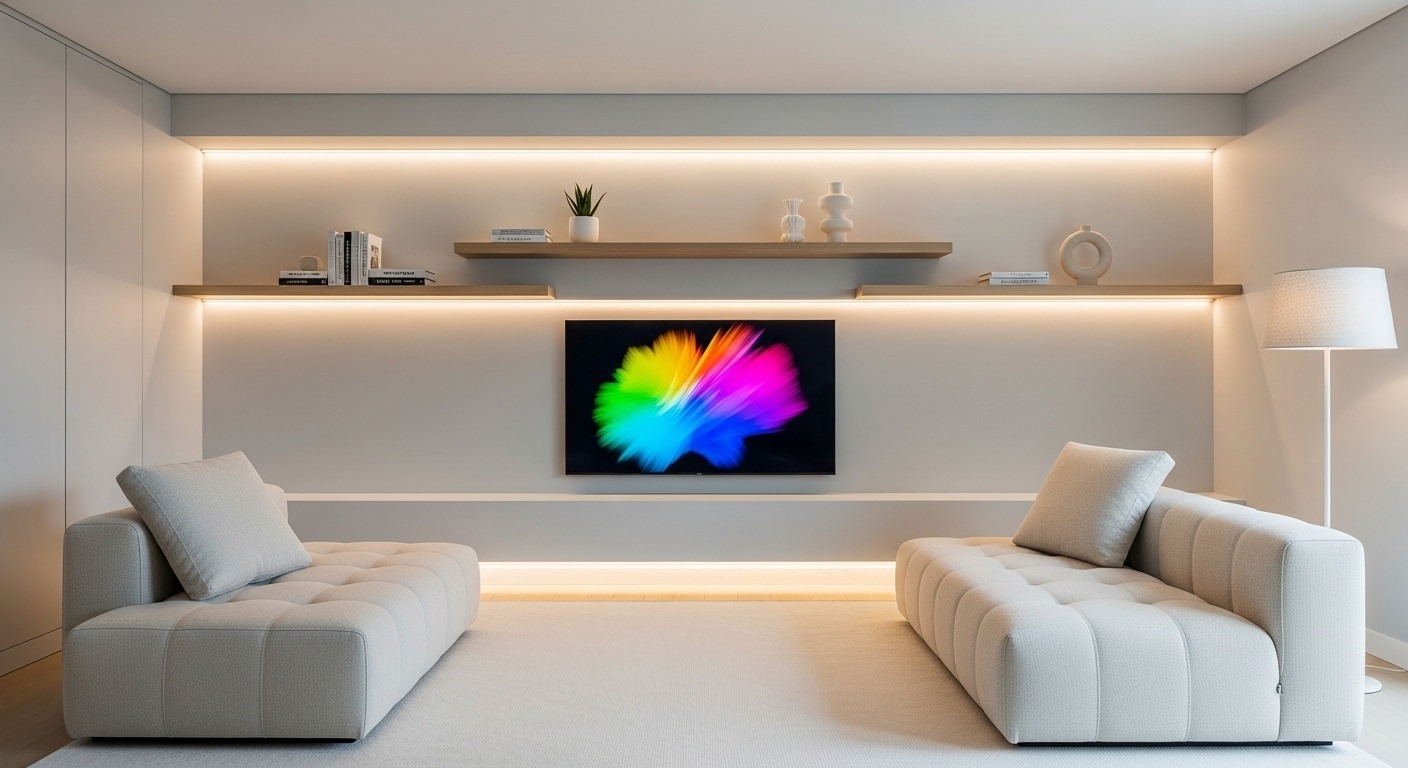
TV Mounting Vancouver for Beautiful Living Rooms
The living room is one of the most important spaces…
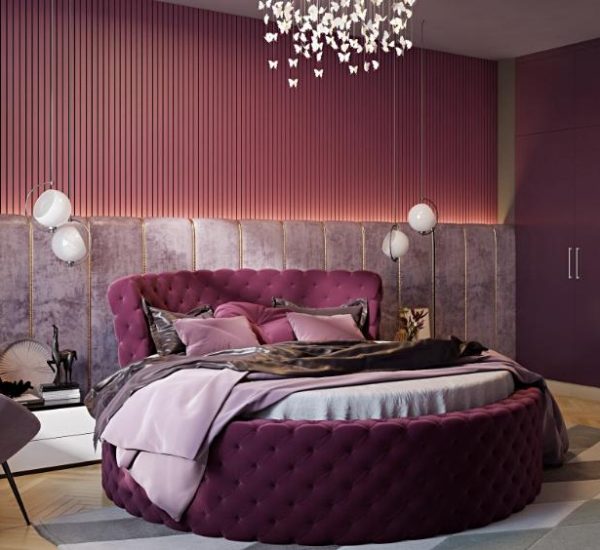
Ultimate Villa Glow Guide for Cozy and Elegant Interiors
A beautiful home does not begin with expensive furniture; it…