

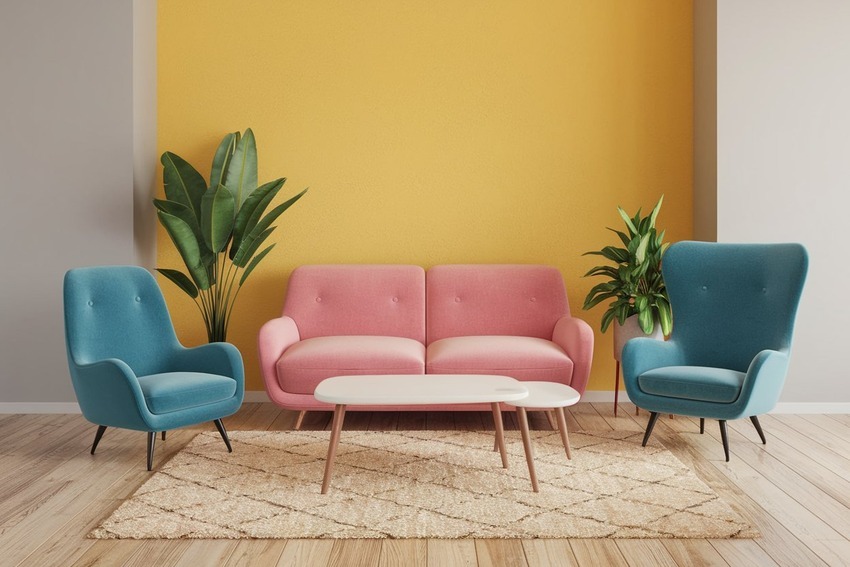


A villa can look expensive and still feel cold, and that is where many beautiful homes lose their soul. The best homes today are not trying to impress from a distance; they invite you in, soften your pace, and make every room feel intentional. Villa Glow Trends now point toward warmth, layered light, quiet texture, and rooms that work hard without looking busy. The shift matters because modern living asks more from a home than style alone. You need calm after work, comfort for family time, polish for guests, and enough flexibility for real life to happen without ruining the room. Thoughtful design choices, much like a well-planned home visibility strategy, work best when they feel natural rather than loud. A glowing villa is not built by adding shine everywhere. It comes from restraint, balance, and the confidence to let a space breathe.
Villa Glow Trends That Make Light Feel Designed, Not Added
Lighting has become the quiet language of modern villa interiors. A room can have fine furniture, clean flooring, and polished finishes, yet still feel flat if the light sits in the wrong place. The current direction favors layered lighting that changes with the day, supports mood, and gives modern living spaces a softer emotional edge. Good lighting does not shout. It guides.
Warm Ambient Lighting for Evening Comfort
Warm ambient lighting works because it changes how people behave inside a room. A bright white ceiling light may help you find your keys, but it rarely helps you settle into a sofa after dinner. In a villa, the better choice is usually a mix of wall washers, low lamps, cove lighting, and dimmable ceiling points that let the room relax as the evening begins.
This is where many homes make the same mistake: they treat lighting as decoration instead of atmosphere. A living room with one strong overhead fixture often feels exposed, almost like a showroom after closing time. Add a shaded lamp beside a reading chair, soft light behind a media wall, and a low glow near a textured surface, and the same room suddenly feels lived in.
The unexpected part is that less light often looks richer than more light. Luxury does not always come from brightness. It often comes from shadow, because shadow gives shape to stone, wood, fabric, and wall detail.
Hidden Lighting That Shapes Architecture
Hidden lighting has moved beyond tray ceilings and glossy display shelves. The stronger version appears inside stair edges, beneath floating vanities, behind fluted panels, and along garden-facing glass walls. It does not decorate the architecture; it reveals it. That difference matters.
A villa hallway, for example, can feel narrow when lit from the ceiling alone. Place soft linear light near the floor or along one wall, and the path gains depth without adding furniture or art. The space starts to feel planned rather than filled. That is the kind of decision that separates modern living spaces from rooms that merely follow trends.
Hidden light also protects the eye from fatigue. You get brightness where you need it without staring at exposed bulbs from every angle. The room becomes easier to live in, which is the whole point of design that lasts.
Natural Materials That Add Warmth Without Visual Noise
After light sets the mood, materials decide whether the room feels grounded or hollow. Modern villas have moved away from surfaces that look perfect but feel distant. Stone, timber, limewash, linen, clay, and woven details now carry the weight because they bring quiet depth into modern living spaces without crowding them. The goal is not rustic charm. It is controlled warmth.
Textured Walls for Modern Living Spaces
Textured walls give a villa character without demanding too much attention. Limewash, soft plaster, microcement, and subtle stone finishes bring movement to a surface that paint alone cannot always create. The beauty sits in the irregularity. A wall that shifts slightly with light feels more human than one sealed under a flat, flawless coat.
This choice works especially well in large rooms. Big villa walls can feel empty when left plain and heavy when overloaded with panels or art. A gentle texture solves both problems. It gives the eye something to rest on without turning the room into a display board.
The counterintuitive move is to keep textured walls away from every surface. One feature wall behind a sofa or dining bench can do more than four treated walls competing for attention. Restraint makes the texture look deliberate.
Wood, Stone, and Soft Fabric Pairings
Wood and stone can make a villa feel permanent, but they need fabric to keep them from becoming stern. A marble coffee table beside a wool rug, oak cabinetry near linen curtains, or a travertine console under a soft wall lamp creates balance. Hard materials bring structure. Soft materials bring mercy.
A common real-world example is the open-plan lounge. Many owners choose large-format flooring, a stone media wall, and sleek furniture, then wonder why the space feels cold. The missing layer is usually touch. Boucle cushions, woven blinds, cotton throws, and matte wood accents can shift the whole room without changing the architecture.
The strongest interiors do not chase one material family. They create a small conversation between finishes. Wood says warmth, stone says strength, fabric says stay awhile.
Furniture Layouts Built Around Real Daily Living
A glowing villa loses its charm when the furniture ignores how people move, sit, talk, and rest. Modern design has become more honest about daily habits. Rooms now need to support work calls, slow breakfasts, weekend guests, children on the floor, and late-night quiet without looking chaotic. Layout is no longer a technical step. It is the emotional map of the home.
Conversation-First Living Room Planning
A living room should not worship the television unless that is the only thing the family does there. Better layouts create conversation zones first, then fit screens and storage around them. Two sofas facing each other, a pair of lounge chairs angled inward, or a generous sectional with movable stools can make the room feel social without losing comfort.
This matters in villas because large lounges often tempt people into pushing furniture against the walls. The result looks spacious in a photograph but awkward in real life. People sit too far apart, voices feel strained, and the center of the room becomes dead space.
Pulling furniture inward changes the energy at once. A rug anchors the group, a central table creates shared focus, and side lighting gives each seat a reason to exist. Good layout makes hospitality feel easy.
Flexible Corners for Work, Reading, and Reset
Flexible corners have become one of the smartest choices in modern villa planning. Not every function needs a full room. A quiet chair near a window, a compact desk behind a sofa, or a bench under a staircase can become a personal pause point. These small zones often carry more emotional value than larger formal rooms.
The trick is to make the corner look intentional. A lonely chair thrown into an empty space reads like leftover furniture. Add a lamp, a small table, a textured cushion, and one piece of wall art, and the corner gains purpose. Suddenly it becomes the place where someone drinks coffee before the house wakes up.
This kind of planning respects real life. Homes do not run on perfect routines. They need small places to escape, think, read, answer a message, or breathe before stepping back into the noise.
Color Palettes and Outdoor Links That Complete the Glow
Color and outdoor connection finish what lighting, materials, and layout begin. A villa should not feel like separate rooms stitched together by doors. It should carry one calm mood from the entry to the terrace, from the lounge to the garden, from morning brightness to evening hush. The best modern living spaces now use color and nature as one design system, not two separate choices.
Earth-Based Colors With Quiet Contrast
Earth-based palettes remain strong because they age well. Sand, clay, olive, oat, mushroom, walnut, and soft charcoal create a base that feels calm without becoming dull. These shades suit villas because they can stretch across large areas without tiring the eye.
Contrast keeps the palette from becoming sleepy. A sand-toned room can hold a dark bronze lamp, a black metal table base, or a deep green armchair without losing its softness. The contrast gives the room a spine. Without it, neutral design can drift into blandness.
The bold move is avoiding too many “safe” beige choices. Warm neutrals need depth, not repetition. Mix undertones with care, add one darker note, and let natural light decide how the colors behave through the day.
Garden Views as Part of the Interior
Outdoor views now count as interior design decisions. A villa with garden access should not treat windows as holes in the wall. The view outside can become the largest artwork in the room, but only when the interior respects it. Low furniture, sheer curtains, indoor plants, and aligned seating help the eye travel outward without interruption.
A dining area facing a courtyard, for example, can feel twice as rich when the outdoor lighting matches the warmth inside. The table setting, wall tone, and garden path begin to speak the same language. That is when the home feels whole.
This is where Villa Glow Trends become more than surface style. The glow comes from connection: room to room, inside to outside, beauty to daily use. Start with one space that feels flat after sunset, then change the light, texture, and layout until it feels like somewhere you want to stay.
Conclusion
Modern villa design is moving toward something wiser than decoration. The strongest homes no longer chase shine for the sake of shine; they build atmosphere through light, texture, proportion, color, and comfort that can survive ordinary days. That is the real test. A room should still feel good when there are shoes near the door, coffee cups on the table, and people actually living in it.
Villa Glow Trends point to a simple truth: a beautiful home is not the one with the most expensive finishes, but the one where every choice supports how you want to feel. Warm lighting, grounded materials, human layouts, and a stronger link to nature can change a villa without stripping away its identity. Choose one room this week, remove what feels cold or forced, and rebuild the mood from the light outward. A home glows best when it finally feels like it belongs to the people inside it.
Frequently Asked Questions
What are the best villa glow ideas for modern living spaces?
The best ideas start with warm layered lighting, textured walls, natural materials, and furniture arranged for conversation. Focus on how each room feels during daily use, not only how it looks in photos. A glowing villa should feel calm, comfortable, and easy to live in.
How can warm lighting improve a villa interior?
Warm lighting softens hard surfaces, makes rooms feel more relaxed, and gives furniture a richer presence. Use dimmable lamps, wall lights, cove lighting, and hidden strips instead of relying on one ceiling fixture. The effect feels more personal and less showroom-like.
Which colors work best for a modern villa glow?
Earth-based colors work best because they feel warm without becoming heavy. Sand, clay, olive, walnut, oat, and soft charcoal give rooms depth while staying easy to pair with wood, stone, and fabric. Add contrast through one darker accent.
How do textured walls change modern villa design?
Textured walls add movement, depth, and character without needing extra decoration. Limewash, plaster, stone, or microcement can make a large wall feel finished but not crowded. One carefully chosen wall often works better than covering every surface.
What furniture layout makes a villa living room feel inviting?
A conversation-first layout works best. Pull seating inward, anchor it with a rug, and place tables within easy reach. Avoid pushing every piece against the wall, because that often makes large rooms feel empty rather than welcoming.
How can outdoor spaces support villa interior style?
Outdoor areas support the interior when colors, lighting, and sightlines feel connected. Match warm garden lighting with indoor lamps, keep windows visually open, and place seating where the view becomes part of the room. This makes the villa feel larger and calmer.
Are natural materials better for modern living spaces?
Natural materials often feel better because they age with character and bring warmth into clean interiors. Wood, stone, linen, wool, and clay add texture without visual clutter. They also make large villa rooms feel grounded rather than cold.
How can I update a villa without a full renovation?
Start with lighting, textiles, wall texture, and furniture placement. These changes can shift the mood quickly without rebuilding the space. Replace harsh bulbs, add layered lamps, introduce softer fabrics, and rearrange seating before spending on major construction.

Leave a Reply