

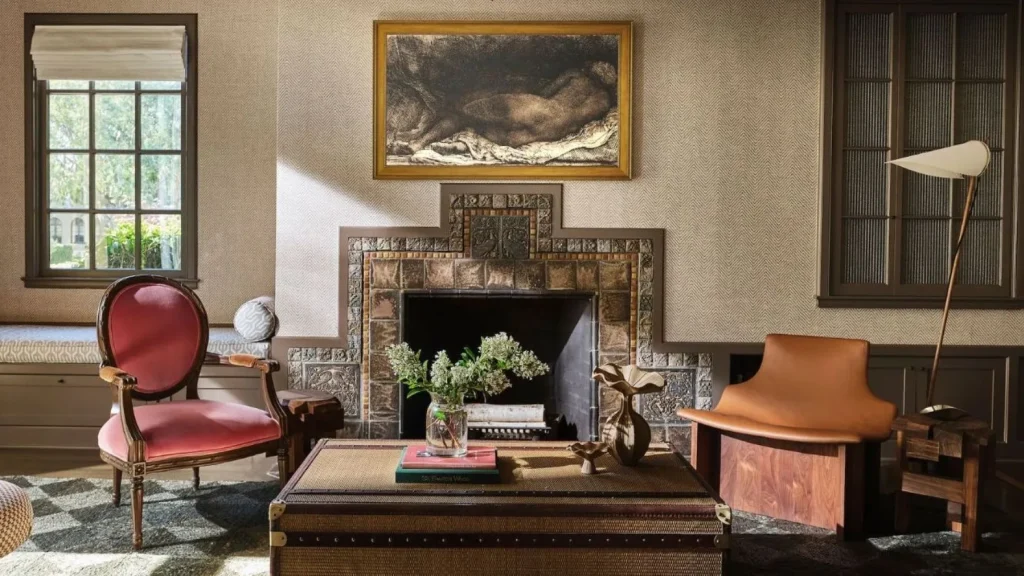


A home can look expensive and still feel cold. That is the trap many people fall into when they chase polish before comfort, shine before mood, and furniture before feeling. The best Villa Glow Ideas begin with the way a room settles your nervous system after a long day, not with how perfect it looks in a photo. A villa-inspired home should feel calm, open, soft, and quietly generous, even when the space is modest. That means light, texture, layout, scent, and silence all matter as much as color or furniture. For homeowners exploring fresh inspiration through design features, lifestyle media, or modern home storytelling, the real value sits in choices that make daily life smoother, not louder. Relaxing home design works when the room supports how you live instead of forcing you to perform for it. Cozy villa interiors do not need marble floors, imported chandeliers, or oversized rooms. They need restraint, warmth, and a clear sense of what deserves attention. Once you understand that, elegant home decor becomes less about spending more and more about editing better.
Villa Glow Ideas That Start With Atmosphere, Not Furniture
A room loses its charm when every decision starts with a shopping list. The stronger move is to decide how the space should feel before you decide what goes inside it. Atmosphere gives the room a point of view, and once that point of view is clear, furniture becomes easier to choose, easier to place, and easier to ignore when it does not belong.
Relaxing home design begins with emotional temperature
Every room has an emotional temperature. Some spaces feel sharp and busy the second you enter, while others slow your pace before you even sit down. Relaxing home design depends on lowering that temperature through softer contrast, warmer surfaces, and fewer visual demands.
A living room with bright white lighting, shiny tile, glass tables, and busy wall art may look clean, yet it can feel restless. Shift the bulbs to warm tones, add linen curtains, introduce a textured rug, and the same room begins to breathe. Nothing dramatic happened. The room simply stopped shouting.
The counterintuitive truth is that comfort often comes from subtraction. Removing one loud accent chair, one extra side table, or one oversized wall piece can give the remaining details room to matter. A villa-style home should never feel stuffed with proof that someone decorated it.
Cozy villa interiors need quiet focal points
A focal point does not have to dominate the room. In cozy villa interiors, the best focal point often whispers. A low stone bowl on a wooden console, a shaded lamp beside a woven chair, or a single large painting above a plain sofa can carry more strength than a cluster of competing objects.
This matters because the eye needs a place to rest. When every corner asks for attention, the room feels nervous. When one area carries the mood, the whole space feels more settled.
Consider a bedroom with patterned bedding, two ornate lamps, a gallery wall, and a heavy bench at the foot of the bed. Each piece might be attractive on its own, but together they fight. Replace the bedding with a calm fabric, keep one textured throw, and let the lamps frame the bed. The result feels richer because it has less to prove.
Light Choices That Shape the Whole Villa Mood
Once the atmosphere has a direction, lighting decides whether the room delivers on it. Good lighting does not only help you see. It tells your body what time it is, where to relax, where to gather, and where to pause. Poor lighting can flatten beautiful furniture faster than any bad paint color.
Ambient lighting ideas for layered calm
Ambient lighting ideas work best when they come from more than one source. A single ceiling light usually makes a room feel exposed, especially at night. Layered light, by contrast, creates depth because each source has a smaller job and a softer presence.
A villa-inspired living area might use a shaded floor lamp near seating, a table lamp on a console, and a dim ceiling fixture for gentle coverage. That arrangement lets the room change across the day. Morning can feel open, evening can feel intimate, and late night can feel soft without becoming gloomy.
The mistake many homes make is treating brightness as quality. More light is not always better light. A quiet corner with a warm lamp can do more for mood than six bright recessed fixtures pressing down from above.
Elegant home decor depends on shadow as much as shine
Elegant home decor often fails when people remove every shadow. Perfect brightness makes a room feel like a showroom, and showrooms are built for display, not rest. A home needs pockets of depth, soft edges, and areas that fall away from attention.
This is where lampshades, wall sconces, candles, and indirect light earn their place. They create glow without glare. A hallway with a small lamp on a narrow table can feel more refined than a hallway flooded from ceiling lights.
One smart example is a dining area with a pendant light set too high and too bright. Lowering the fixture slightly, softening the bulb temperature, and adding side lighting nearby can change the entire feeling of dinner. The food looks warmer, faces look calmer, and conversation feels less staged.
Texture, Color, and Materials That Make a Home Feel Rested
After lighting sets the mood, surfaces decide whether the room feels flat or alive. Texture gives calm spaces their depth. Color gives them rhythm. Materials give them weight. Without these layers, a neutral room can look expensive in photos and empty in person.
Natural materials bring warmth without clutter
Natural materials carry visual warmth because they show small signs of life. Wood grain, linen weave, clay texture, limewash walls, rattan, wool, and stone all have quiet irregularities. Those irregularities matter. They keep the room from feeling plastic, polished, and emotionally thin.
A villa-style sitting room does not need many colors when the materials are doing enough work. A pale sofa, oak table, wool rug, and ceramic lamp can feel layered without looking busy. The room feels calm because the interest comes from touch, not noise.
Here is the part people miss: texture can replace decoration. A rough plaster wall may need less artwork. A woven pendant may make a ceiling feel finished without extra detail. A linen curtain can soften a window more gracefully than a patterned panel that demands attention.
Color should calm the edges of the room
Color has more power when it supports the boundaries of a space. Walls, floors, curtains, and large furniture create the emotional backdrop. Smaller accents should respond to that backdrop instead of fighting it.
Soft clay, warm ivory, sand, muted olive, oat, pale terracotta, and stone gray work well because they sit close to nature. They do not exhaust the eye. Used with care, they make relaxing home design feel grounded instead of decorated.
A surprising move is to avoid making every room bright. A reading room, guest bedroom, or media corner can handle a deeper tone if the lighting and textiles support it. A muted cocoa wall behind a cream sofa can feel calmer than an all-white room that turns harsh at noon.
Layout Decisions That Make Daily Life Feel Easier
A beautiful room that frustrates movement will never feel relaxing. Layout is the part of design people often notice only when it fails. You feel it when the coffee table sits too far away, when chairs block the window, or when a bedroom forces you to walk sideways around the bed. Comfort needs space to move.
Furniture should support the way you actually pause
Most people arrange furniture for guests who visit twice a year instead of for the life that happens every day. That choice quietly damages comfort. A villa-inspired home should honor daily pauses: reading with tea, stretching near morning light, talking after dinner, or sitting alone without reaching for a screen.
Start with the seat you use most. Place it where light feels good, where a side table is within reach, and where the view gives your mind somewhere to land. Then build the room around that human moment. The sofa does not always need to face the television. The best chair does not always belong against a wall.
Cozy villa interiors become stronger when furniture creates invitation instead of symmetry for its own sake. Two chairs angled toward each other can make conversation feel natural. A bench near a window can turn unused space into a daily ritual. A small table beside a bath can make the room feel cared for without adding clutter.
Negative space is a design decision
Empty space scares people because it can feel unfinished. In truth, negative space often gives a room its confidence. A clear walkway, an undecorated wall section, or a simple corner with one plant can make the whole home feel more composed.
This does not mean the room should feel bare. It means every object should have enough air around it to be understood. When a console table carries six objects, none of them matters. When it carries a lamp, a bowl, and one framed piece, the arrangement feels intentional.
One practical test works well: walk through the room at night without turning on the main light. If you bump into furniture, avoid corners, or feel visually crowded, the layout needs editing. Villa Glow Ideas should make life feel smoother in motion, not only prettier from one angle.
Frequently Asked Questions
What are the best smart villa glow ideas for small homes?
Small homes benefit from warm lighting, fewer statement pieces, soft textures, and clear walkways. Use mirrors carefully, choose furniture with lighter visual weight, and keep colors calm. The goal is not to make the home look larger at all costs, but to make it feel easier to live in.
How can relaxing home design improve daily comfort?
Relaxing home design lowers visual stress and makes ordinary routines feel smoother. Warm lamps, natural fabrics, uncluttered surfaces, and practical furniture placement all help the body settle. A calm room reduces friction, which means you spend less energy adjusting to your home.
Which ambient lighting ideas work best for villa-style rooms?
Layer table lamps, floor lamps, wall lights, and dim ceiling fixtures instead of relying on one bright source. Warm bulbs create a softer evening mood. Indirect light near corners, shelves, and seating areas gives the room depth without making it feel staged.
How do cozy villa interiors stay elegant without looking crowded?
Cozy villa interiors stay elegant through restraint. Choose fewer pieces, but make each one count through texture, proportion, and placement. A linen sofa, carved wood table, and soft rug can feel richer than a room packed with decorative items.
What colors work best for elegant home decor with a villa feel?
Warm neutrals, muted earth tones, soft greens, pale stone shades, and clay-inspired colors work beautifully. These colors create calm without looking flat. Stronger accents can appear in small doses through art, cushions, ceramics, or flowers.
How can I create a villa glow bedroom on a budget?
Start with lighting and bedding. Warm lamps, breathable sheets, simple curtains, and one textured throw can change the room fast. Remove visual clutter from bedside tables, then add one natural detail such as a ceramic vase, wooden tray, or woven basket.
What mistakes make villa-inspired home design feel fake?
Overdecorating is the biggest mistake. Too many gold finishes, oversized furniture, glossy surfaces, and matching sets can make the room feel artificial. A convincing villa mood comes from comfort, age, softness, and materials that feel pleasant to touch.
How often should I update a relaxing villa-style interior?
Refresh the space when your routines change, not every season. Swap textiles, adjust lighting, edit clutter, or move furniture before buying new pieces. A calm home improves through small, thoughtful changes that support how you live now.

Leave a Reply