
A flat dining room ceiling can make even expensive furniture feel unfinished. The room may have a strong table, warm lighting, and beautiful flooring, yet something overhead still feels plain. A smart dining room ceiling choice changes that feeling fast because the ceiling becomes part of the room’s character instead of dead space above it. Homeowners across the USA are paying closer attention to this because open layouts have made dining areas more visible from kitchens, living rooms, and entryways.
That is where a coffered look earns its place. It adds depth, shadow, and proportion without asking the room to scream for attention. When planned well, the work feels built-in rather than decorated. A homeowner comparing trim profiles, lighting plans, and finish choices can also use trusted home improvement planning resources to think through the bigger picture before committing to the project.
The best ceiling work does not feel like a weekend add-on. It feels like the room was waiting for it.
Planning a Dining Room Ceiling Before the First Board Goes Up
Good ceiling work starts before a saw touches wood. The dining room has its own rhythm because people sit still in it, look across it, and notice details longer than they would in a hallway or mudroom. That makes proportion unforgiving. A ceiling that looks fine in a sketch can feel heavy once the table, chandelier, chairs, rug, and wall trim all compete in the same visual field.
Measuring the Room Like a Builder, Not a Decorator
Accurate measurement gives the project its backbone. Many homeowners start with the table size or chandelier placement, but the ceiling grid needs the room’s actual dimensions first. Wall length, ceiling height, joist direction, door openings, window placement, and HVAC registers all matter because the finished pattern must look intentional from every major viewing angle.
A common American dining room in a suburban home may be 12 by 14 feet with an 8- or 9-foot ceiling. That room can handle shallow beams and modest panels. A 16 by 20 dining room in a newer custom home may need deeper trim, wider spacing, and a stronger center point. Scale changes the whole conversation.
The quiet mistake is treating every coffer layout like a square grid. Not every room wants that. Long dining rooms often need rectangular panels that follow the table, while square rooms can accept a more balanced layout. The ceiling should support the room’s shape, not argue with it.
How Ceiling Beam Layout Changes the Mood
A strong ceiling beam layout can make a dining room feel calm, formal, cozy, or dramatic. Narrow spacing creates more pattern and shadow, which can feel refined in the right room. Wider spacing feels cleaner and more relaxed, especially in homes with modern farmhouse, transitional, or coastal interiors.
The chandelier should not look trapped inside the grid. It needs breathing room, and its canopy should land where the ceiling pattern makes sense. In some rooms, the fixture sits in the center of one large panel. In others, the grid frames it with equal weight on all sides. The second option often looks more custom, but only when the math works.
A useful trick is to map the ceiling on painter’s tape before buying material. Tape does not lie. Stand at the dining room entry, sit at the table, and look from the kitchen or living room if the space is open. If the pattern feels too busy in tape, it will feel heavier after trim and paint.
Dining Room Ceiling Details That Separate Custom Work From Decoration
Once the layout makes sense, the project shifts from measurement to character. This is where many dining rooms either gain architecture or gain clutter. The difference often comes down to restraint. More trim does not always mean a richer room. Sometimes the strongest move is a clean frame, a sharp shadow line, and one finish decision that ties the ceiling to the rest of the house.
Choosing Coffered Ceiling Design for the Home’s Style
A good coffered ceiling design respects the age and style of the home. A center-hall colonial in Virginia can handle deeper crown profiles and traditional panel proportions. A newer ranch in Arizona may look better with flat-stock beams and cleaner edges. A Craftsman-style home in Oregon might need stained wood accents instead of painted white trim.
The ceiling should not feel imported from another house. That happens when homeowners copy a photo without asking whether their own room has the height, light, and trim language to support it. A dramatic ceiling in a 10-foot room with tall windows may look graceful. The same idea in an 8-foot room can feel like the lid is pressing down.
Paint color plays a larger role than most people expect. White beams with a white ceiling create subtle depth. A darker inset panel adds drama, but it also lowers the visual ceiling. Warm off-white often works better in dining rooms than harsh bright white because evening light from a chandelier can make pure white feel cold.
Matching Dining Room Molding With Walls and Open Spaces
Dining room molding should speak the same language as baseboards, casing, chair rails, and nearby built-ins. When the ceiling trim looks richer than everything below it, the room can feel top-heavy. When it looks too thin, the ceiling reads as applied decoration instead of built architecture.
Older homes often reveal the right answer if you look closely. Door casing thickness, window trim depth, and crown profiles can guide the beam face width and panel trim. Newer homes with minimal trim need a lighter hand, or the ceiling may feel overbuilt compared with the rest of the interior.
Open-concept homes add another layer. A dining area beside a kitchen island needs ceiling detail that defines the space without fighting the kitchen cabinets. One sharp dining room boundary overhead can make the area feel like a true room, even when there are no walls. That is the hidden power of architectural ceiling details: they can create separation without closing anything off.
Dining Room Coffered Ceiling Installation That Handles Structure and Finish
The visual part gets attention, but the hidden work decides whether the ceiling lasts. Framing, fastening, electrical planning, and surface prep matter because gravity never stops testing overhead trim. A beautiful design can disappoint if seams open, lines wander, or the chandelier feels like an afterthought. This is the stage where patience pays for itself.
Framing Around Lights, Joists, and Real-World Obstacles
Ceiling framing must work with the house that exists, not the perfect version in the drawing. Joists may not run where expected. The ceiling may be out of square. A register might sit exactly where a beam wants to go. Older homes in places like Pennsylvania, Massachusetts, and Illinois can add plaster, uneven framing, or layers from past remodels into the mix.
A skilled installer checks joist direction before committing to fastening points. Faux beams can attach to blocking, cleats, or a secure backing system, but guessing overhead is asking for trouble. The weight may not be extreme, yet repeated seasonal movement can expose weak fastening over time.
Lighting needs early decisions. Recessed lights, chandelier boxes, dimmers, and speaker wiring should be solved before the finish work begins. Moving electrical after trim goes up costs more and usually leaves compromises. Good planning keeps the ceiling clean instead of patched into submission.
Building Architectural Ceiling Details Without Overloading the Room
Architectural ceiling details work best when they control shadow. A shallow beam with crisp edges can create more elegance than a bulky box that drops too far into the room. Depth matters, but proportion matters more. The eye reads relationships before it reads measurements.
Material choice affects both finish and movement. MDF paints smoothly and works well in many dry interior rooms. Poplar offers sharper edges and better durability for some trim profiles. Plywood, finger-jointed pine, and hardwood can also make sense depending on budget, climate, and finish goals.
The counterintuitive truth is that perfect symmetry is not always the right target. In a room with an off-center doorway, uneven windows, or a chandelier that must align with the table rather than the room, the ceiling may need visual balance instead of mathematical balance. Human eyes forgive smart adjustment faster than they forgive awkward perfection.
Finishing Choices That Make the Ceiling Feel Permanent
After the beams and trim are installed, the finish determines whether the ceiling feels original to the house. Paint, caulk, sanding, sheen, and lighting temperature all affect the final read. This is also where rushed work shows. Dining rooms are not forgiving spaces because people gather under the ceiling for long stretches, often at night, when shadows reveal every uneven joint.
Paint, Sheen, and Shadow Control for Evening Dining
Paint sheen changes how the ceiling behaves under light. Flat paint hides minor surface flaws, but it can feel dull on trim. Satin or eggshell may add life to beams, yet too much shine can make seams and brush marks more visible. Many painters choose a flatter finish for inset panels and a slightly richer finish for trim, though the room’s light should guide that choice.
Warm lighting usually flatters a dining room ceiling better than cool bulbs. A chandelier with dimmable warm bulbs brings out shadow lines without making the trim feel stark. If recessed lights sit inside the panels, they need careful placement so they do not create harsh cones across the beams.
Color contrast should be handled with nerve, not fear. A soft white-on-white scheme feels safe and polished. A deep charcoal inset can look stunning in a formal dining room with tall ceilings and strong natural light. The danger comes from choosing drama without enough room height to carry it.
Long-Term Care After Coffered Ceiling Design Is Complete
Finished trim still moves with the house. Seasonal humidity changes can open fine caulk lines, especially in states with cold winters and humid summers. That does not mean the work failed. It means wood, MDF, drywall, and paint are responding to the indoor environment.
A well-built ceiling should need light maintenance, not constant repair. Small caulk touch-ups, dusting along beam ledges, and occasional paint repair are normal. Homeowners with forced-air systems may notice dust collecting on upper edges, so a soft duster or vacuum brush keeps the lines crisp.
Dining room molding also benefits from restraint after the project is complete. Avoid filling the room with too many competing details. If the ceiling is the architectural lead, let the furniture, art, and window treatments support it. A room with one confident feature usually feels more expensive than a room where every surface tries to be important.
Conclusion
A dining room gains power when the ceiling becomes part of the architecture instead of an ignored surface. The smartest projects start with proportion, respect the home’s style, and treat installation as real finish carpentry rather than a decorative shortcut. That mindset protects the room from the two worst outcomes: a ceiling that feels too plain after the money is spent, or one that overwhelms everything below it.
A strong dining room ceiling also changes how people experience the space. Dinner feels more settled. The chandelier feels anchored. The table feels like it belongs in a room with purpose. That is the lasting value of dining room ceiling planning done with care.
Before starting, measure honestly, tape the layout, think through lighting, and choose materials that match the house you actually own. Then hire the right pro or build with the patience the ceiling deserves. The best result is not loud; it is the kind of detail people notice slowly, then remember.
Frequently Asked Questions
How much does a dining room coffered ceiling usually cost?
Costs vary by room size, ceiling height, material, trim detail, labor rates, and electrical changes. A simple painted grid can cost far less than a deep custom design with lighting changes. In many U.S. markets, labor quality affects the final price more than the trim itself.
Can a coffered ceiling work in an 8-foot dining room?
It can work if the beams stay shallow and the design avoids heavy profiles. Low ceilings need cleaner lines, lighter colors, and wider panel spacing. Deep boxes or dark inset panels can make the room feel compressed, so scale matters more than style ambition.
What is the best wood for dining room ceiling beams?
Painted projects often use MDF, poplar, finger-jointed pine, or plywood build-ups. Stained projects usually need higher-grade hardwood or carefully selected veneer. The best choice depends on budget, finish, room humidity, and how crisp the edges need to look after painting.
Should the chandelier be centered in the ceiling grid or over the table?
The chandelier should center over the dining table first because people experience the fixture in relation to the table. The ceiling grid should then be planned around that point. Centering the light in the room while ignoring the table can make the entire space feel wrong.
Can recessed lights be added inside coffered ceiling panels?
Recessed lights can work if they are planned before installation begins. Their placement should avoid beam lines, joists, and chandelier conflicts. Dimmable fixtures are usually best because dining rooms need flexible light for meals, holidays, homework, and evening gatherings.
Does a coffered ceiling add home value?
It can add value when the work matches the home and looks permanent. Buyers often respond well to custom architectural detail in dining rooms, especially in higher-end or traditional homes. Poor proportions, weak finish work, or mismatched style can have the opposite effect.
What color should a dining room coffered ceiling be?
White, warm white, soft greige, and tone-on-tone finishes are safe choices for many homes. Darker inset panels can add drama in taller rooms with good light. The ceiling color should connect with wall trim, flooring, furniture, and the chandelier finish.
Is coffered ceiling installation a DIY project?
Skilled DIYers can handle a simple faux beam layout with careful planning, the right tools, and safe overhead fastening. Complex rooms, electrical changes, uneven ceilings, or stain-grade finishes usually call for a professional. Mistakes overhead are hard to hide once light hits them.
Related Posts
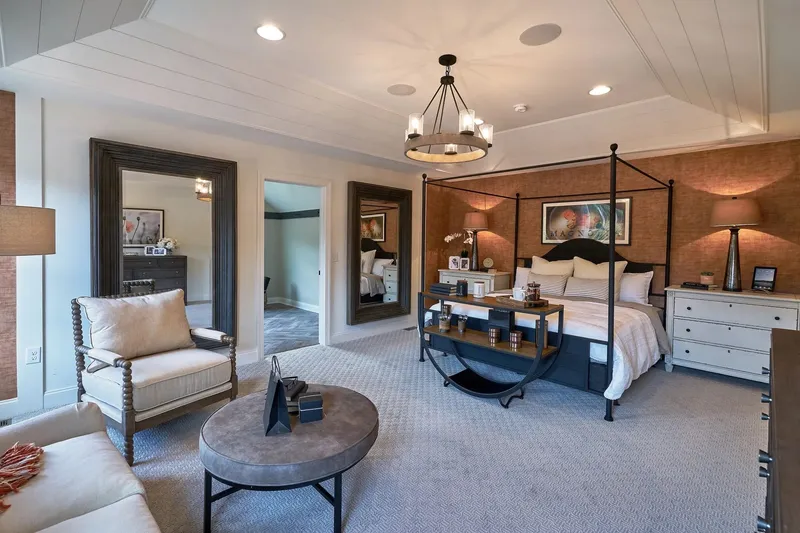
Bedroom Tray Ceiling Ideas That Add Elegance Without Major Construction
A plain bedroom ceiling can make the whole room feel…

Exterior Stucco Crack Repair Methods Before Water Damage Spreads
A thin line on stucco can look harmless until a…

Ultimate Villa Glow Guide for Cozy and Elegant Interiors
A beautiful home does not begin with expensive furniture; it…