

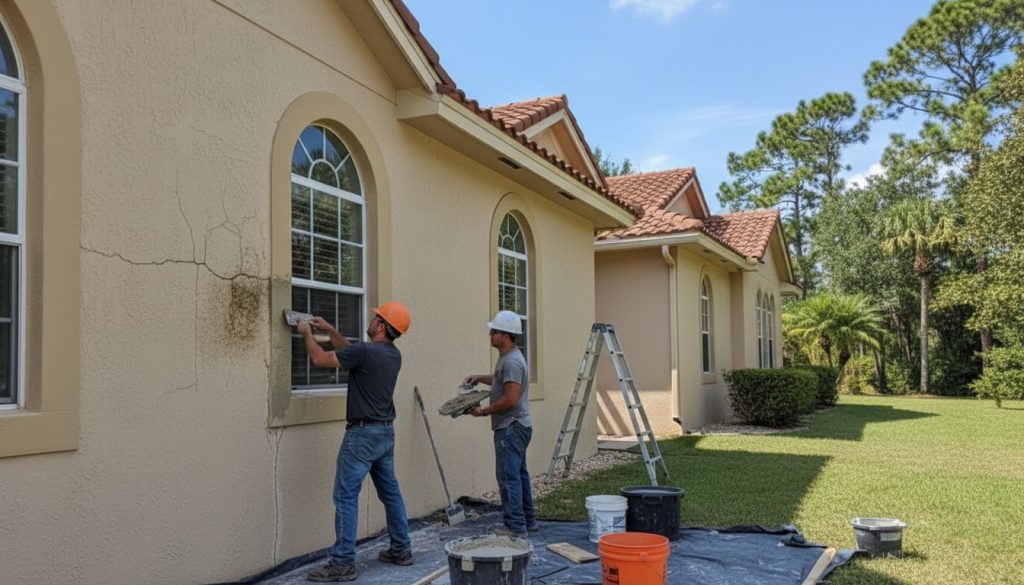



A thin line on stucco can look harmless until a hard rain proves otherwise. Once moisture gets behind the wall, the repair stops being cosmetic and starts turning into sheathing damage, mold risk, stained interiors, and costly exterior work. For many American homeowners, stucco crack repair is less about making the wall look neat and more about protecting the structure before water finds a path inside. That is why smart home maintenance advice from trusted property resources like exterior home improvement planning matters before small flaws become expensive surprises.
Stucco has a tough reputation, but it is not invincible. It expands in Arizona heat, absorbs coastal moisture in Florida, freezes and thaws in Colorado, and shifts with framing movement across older homes in California, Texas, and the Southwest. A crack is not always a disaster. The trouble begins when the wrong filler, rushed patch, or ignored drainage problem hides the cause instead of solving it.
Good repair starts with judgment. You need to know what kind of crack you are seeing, how water behaves around it, and when a surface patch will hold versus when the wall needs deeper attention.
Why Stucco Cracks Start Before Homeowners Notice Damage
Stucco rarely fails in one dramatic moment. Most cracks begin with small movement, trapped moisture, poor curing, weak control joints, or stress around openings where the wall already carries pressure. The frustrating part is that the first sign may look too minor to respect. That little hairline mark near a window corner may be the wall telling you something changed behind the finish coat.
What hairline cracks reveal about wall movement
Hairline cracks often show up where stucco has absorbed years of heat, cold, and slight building movement. On a Southern California home, for example, afternoon sun can bake one side of the wall while the shaded side stays cooler. That daily push and pull may open fine lines across the finish coat without meaning the wall is falling apart.
The mistake is treating every hairline crack like a paint scratch. Fine cracks under 1/16 inch often need flexible masonry coating or elastomeric patching, not a thick smear of generic caulk. A bulky repair can stand out worse than the original crack, especially on textured stucco. Clean, narrow repair work usually lasts longer because it moves with the surface instead of fighting it.
Why diagonal cracks near windows deserve faster attention
Diagonal cracks from window and door corners deserve more suspicion because those areas collect stress. Framing movement, poor flashing, or water intrusion around trim can all show up as angled lines. A homeowner in Phoenix might blame dry heat, while a homeowner in New Jersey might blame freeze-thaw cycles, yet both may be looking at the same deeper issue: weak transition points.
These cracks need closer inspection before patching. Look for soft stucco, staining, bubbling paint, musty odors inside the room, or gaps around window trim. When one clue appears with another, the crack is no longer a surface flaw. It becomes a water entry warning, and delaying repair gives moisture more time to travel behind the wall.
Stucco Crack Repair Methods That Match the Crack Type
The repair method should follow the crack, not the product label. Too many homeowners grab whatever tube says “stucco” and hope for the best. That shortcut can work for a season, then fail after the next heat wave or winter storm. Better repairs start with the crack width, depth, location, texture, and moisture exposure.
How should small stucco cracks be cleaned and filled?
Small cracks need careful cleaning before any filler touches the wall. Dust, loose sand, old paint edges, and chalky stucco prevent bonding. A stiff brush, gentle scraping, and light rinsing often do more for repair life than the patching material itself. The surface must dry fully before filling, because sealing moisture inside the wall is asking for trouble.
For narrow cracks, elastomeric stucco patch or masonry crack filler usually works better than rigid cement patch. The filler should be pressed into the crack, tooled flat, and blended with the surrounding texture while it is still workable. The counterintuitive part is that less material often looks better. Overfilling creates a raised scar that catches sunlight and announces the repair from the curb.
When does a wider crack need mesh and base coat?
Wider cracks need more than a bead of filler because they often involve movement through the base layer. A crack over 1/8 inch may need the loose edges opened slightly, cleaned, packed with compatible patching compound, reinforced with mesh, and covered with a base coat before texture is restored. That takes more patience, but it gives the repair something to grip.
This is where many DIY repairs fail. A deep crack cannot be treated like a seam in drywall. Stucco is part finish, part weather barrier, and part drainage system depending on the wall assembly. On a two-story home in Texas with cracking along a large stucco panel, mesh reinforcement can bridge stress better than surface filler alone. Without that reinforcement, the crack often returns through the new patch like it was never fixed.
Stopping Moisture Before It Moves Behind Stucco
A patch only solves the visible opening. Water control solves the reason the opening became dangerous. Stucco walls survive because water is directed away from weak points, not because the finish coat blocks every drop forever. Once you understand that, repairs become less about hiding lines and more about managing water with intent.
Why flashing and caulk joints matter more than paint
Flashing around windows, doors, roof intersections, decks, and wall penetrations does the quiet work. When it fails, water slips behind stucco even when the outer surface looks decent. Paint may slow absorption, but it cannot fix missing kick-out flashing, cracked sealant, or bad trim transitions. Paint is a coat. Flashing is a defense.
A common example appears where a roof edge meets a stucco wall. Without proper kick-out flashing, rainwater can pour down the wall cavity instead of into the gutter. The first outside clue may be a crack or stain below the roofline. Patching that spot without correcting the water path is like drying a floor while the faucet stays open.
How drainage habits around the house prevent repeat cracks
Ground-level moisture can punish stucco from below. Sprinklers hitting walls, mulch piled too high, clogged gutters, and poor grading all keep stucco damp longer than it should be. In humid states like Florida or Louisiana, that extra moisture can turn minor surface cracking into staining, efflorescence, and hidden decay behind the wall.
Simple habits matter here. Redirect sprinklers, keep soil and mulch below the stucco weep line, clean gutters before storm season, and make sure downspouts discharge away from the foundation. These steps sound plain because they are. Still, they often decide whether a repair holds for years or fails before the next rainy season.
Knowing When a Stucco Repair Needs a Professional
Some stucco repairs belong in the hands of a skilled homeowner. Others need a contractor because the wall may have hidden damage beneath the finish. The trick is not pride. The trick is knowing when the risk has moved past surface repair and into the building envelope.
What warning signs point to deeper water damage?
Bulging stucco, soft areas, brown stains, interior wall discoloration, peeling paint, recurring cracks, or a damp smell after rain all suggest moisture has moved past the surface. A single crack can be patched. A pattern of symptoms needs diagnosis. That distinction saves money because it prevents repeated cosmetic work that never reaches the cause.
Testing can be simple at first. Press gently near the crack and listen for hollow sounds. Check the inside wall after rain. Look under windowsills and near baseboards. If the area feels soft or the crack keeps widening, stop patching and call someone who understands stucco assemblies. The wall may need selective removal, lath inspection, flashing repair, or sheathing replacement.
How to choose the right repair approach for your home
The right approach depends on the age of the home, climate, stucco system, crack size, and water exposure. Older cement stucco behaves differently from synthetic stucco systems, and a repair that works in dry Nevada may not hold the same way along the Gulf Coast. Local climate should shape the material choice.
Ask a contractor how they plan to identify the cause, not only how they will cover the crack. A good answer includes moisture checks, flashing review, texture matching, compatible materials, and curing time. A weak answer jumps straight to patch and paint. For homeowners comparing estimates, that difference says plenty.
Small cracks still deserve respect because walls tell the truth early, then get expensive later. A careful eye, the right material, and better water control can keep a minor repair from becoming a full exterior project. The smartest stucco crack repair plan is never the fastest patch on the shelf; it is the one that stops moisture, blends cleanly, and respects how the wall actually works. Walk around your home after the next rain, mark every suspicious crack, and fix the cause before the wall forces your hand.
Frequently Asked Questions
What is the best way to repair hairline cracks in exterior stucco?
Clean the crack, let the surface dry, and use a flexible elastomeric patch or masonry crack filler made for stucco. Keep the repair thin and blend it with the existing texture before it cures. Heavy filler often looks worse and may crack again.
When should I worry about cracks in stucco walls?
Worry when cracks widen, run diagonally from windows, return after repair, or appear with stains, soft spots, peeling paint, or musty indoor smells. Those signs may point to water intrusion or wall movement instead of a small finish-coat crack.
Can water get behind stucco through small cracks?
Small cracks can let wind-driven rain enter, especially on exposed walls. The risk increases when flashing, sealant, or drainage details are weak. A single fine crack may not destroy a wall, but repeated moisture entry can cause damage over time.
Is caulk a good fix for exterior stucco cracks?
Caulk can work for some narrow movement joints, but it is often the wrong choice for visible stucco cracks. Many caulks leave shiny lines, collect dirt, and fail under sun exposure. Stucco-specific flexible patching products usually blend and perform better.
How do professionals repair wider stucco cracks?
Professionals often clean and open the crack, remove loose material, apply compatible patching compound, reinforce with mesh if needed, add base coat, match the texture, and repaint after curing. They also check whether flashing or moisture caused the crack.
Why do stucco cracks come back after patching?
Cracks return when the original movement or moisture problem was never fixed. Weak flashing, poor drainage, structural settling, thermal movement, and bad surface preparation can all break through a new patch. A lasting repair solves the cause, not only the line.
Should stucco cracks be repaired before painting?
Repair cracks before painting so the coating does not simply bridge damaged areas. Paint can help protect sound stucco, but it cannot replace crack filling, texture repair, flashing correction, or moisture control. Painting first usually hides problems for a short time.
How often should homeowners inspect exterior stucco?
Inspect stucco at least twice a year and after major storms. Pay close attention to windows, doors, roof-wall intersections, foundation edges, and areas near sprinklers. Early checks catch small cracks before water has time to spread behind the finish.

Leave a Reply