

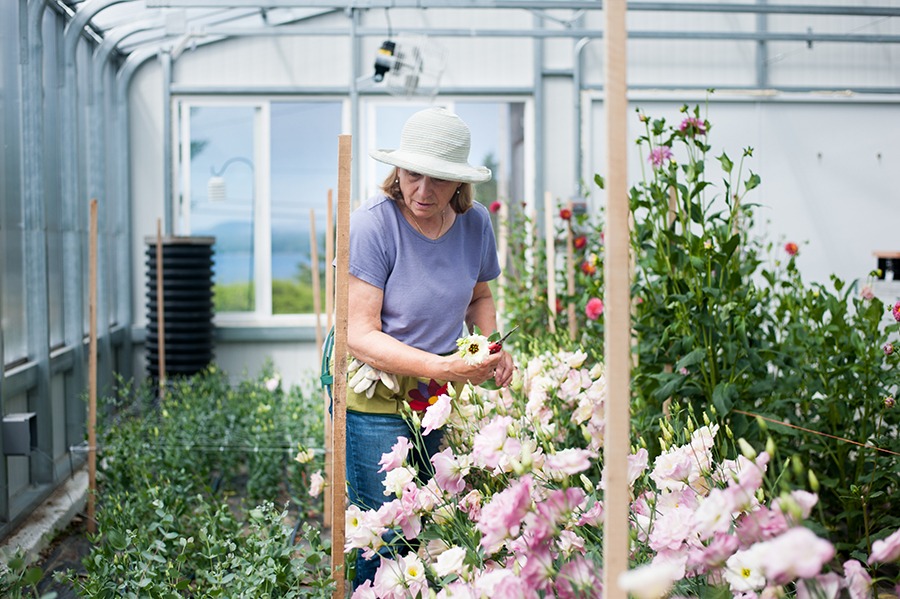



A small structure behind your house can change the way you eat, garden, and think about every season. For many American homeowners, greenhouse construction is less about becoming a professional grower and more about getting control over weather that never seems to behave. A late frost in Ohio, a heat spike in Arizona, a cold rain in Oregon, or a humid July night in Georgia can ruin weeks of work if your growing space has no protection. A backyard setup gives you a buffer. Not a magic bubble, but a smart layer between your plants and the mess outside. That is why planning matters before you buy panels, frame lumber, or a kit that looks easier online than it feels on a Saturday afternoon. Good home improvement planning resources can help you think past the pretty photo and toward the real build. The best backyard greenhouses are not the fanciest ones. They are the ones that fit the yard, match the climate, and stay easy enough to use when life gets busy.
Planning the Site Before the First Frame Goes Up
A greenhouse does not forgive a careless location. You can buy better panels later, add shelves, or change your watering layout, but moving the whole structure after it is built feels like punishment for rushing. The best site is not always the sunniest corner or the flattest patch. It is the place where light, drainage, access, wind, and daily habits all make sense together.
Where Should a Small Greenhouse Sit in an American Yard?
Morning sun does more work than many beginners expect. A structure that catches early light warms sooner, dries condensation faster, and gives seedlings a better start before afternoon weather turns rough. In much of the U.S., a south or southeast exposure gives the most useful light, especially during short winter days when the sun stays low.
Shade deserves more respect than it gets. A little afternoon relief can help in Texas, Florida, Southern California, and other hot areas where summer heat can cook plants inside a closed structure. The mistake is placing the greenhouse under a tree that drops leaves, limbs, pollen, and bird mess all year. That shade comes with a cleaning bill.
Access also decides how often you will use the space. A greenhouse tucked behind the garage may look charming until February rain turns the walk into a mud lane. Place it where you can reach it with a hose, carry soil bags without a struggle, and check plants before work without changing shoes. Convenience keeps gardens alive.
How Much Space Does a Four Season Greenhouse Need?
A four season greenhouse does not need to be huge, but it does need honest room for movement. Many homeowners focus on plant count and forget the human body. You need space to bend, water, prune, sweep, and carry trays without knocking leaves off tomato starts or dragging your jacket through wet soil.
An 8-by-10-foot structure often works well for a typical suburban yard. It gives enough room for a center path, side benches, seed trays, herbs, and a few larger containers. A narrow 6-by-8 can still work, but every inch needs a job. When space gets tight, wall shelves and hanging rails earn their keep.
The hidden space issue sits outside the walls. You need clearance for rain runoff, snow sliding, panel washing, and future repairs. A greenhouse jammed against a fence becomes a trap for weeds and moisture. Leave enough breathing room around it so you can maintain the outside without feeling like you are crawling behind an appliance.
A smarter plan starts with your growing style. Seed starters need benches and clean surfaces. Citrus trees in tubs need headroom and floor strength. Winter greens need light and airflow more than height. Match the building to the plants you will grow most often, not the fantasy version of your garden.
Choosing Materials That Survive Local Weather
The shell of a greenhouse has one job that sounds simple and gets complicated fast: let light in while keeping weather out. Every material choice changes the temperature, repair load, cost, and feel of the space. A beautiful greenhouse that cannot handle hail, wind, snow, or summer heat becomes yard décor with a short temper.
Should You Use Polycarbonate, Glass, or Film Panels?
Polycarbonate panels are often the best fit for American backyards because they balance strength, insulation, and cost. Twin-wall polycarbonate softens harsh sunlight and holds heat better than single-pane glass. It also handles bumps from branches, balls, and garden tools with less drama. That matters when the greenhouse sits near kids, pets, or a busy patio.
Glass has its own charm. It looks clean, ages well, and gives plants bright light. The problem is weight and breakage. A glass structure needs a stronger frame, careful installation, and more caution in hail-prone areas. In places like Colorado or Oklahoma, that pretty glass wall may turn into a nervous weather habit every spring.
Greenhouse film can make sense for budget builds and hoop houses. It costs less, goes up fast, and works well for growers who care more about function than looks. The tradeoff is replacement. Wind, sun, and time wear it down, so it suits practical gardeners who accept maintenance as part of the deal.
No panel wins everywhere. A Maine gardener fighting winter cold has different needs than a Phoenix homeowner trying to dump heat before noon. Choose the material that solves your local problem first. Beauty comes second, because dead seedlings never admire architecture.
What Greenhouse Foundation Works Best on Real Soil?
A greenhouse foundation has to do more than hold the frame still. It keeps the structure level, blocks splashback, limits rot, and helps the doors work after a freeze-thaw cycle or heavy rain. Skipping this step is one of those choices that feels efficient until the first storm exposes the shortcut.
Gravel bases work well for many backyard builds. They drain fast, reduce mud, and create a clean working floor without turning the greenhouse into a permanent concrete project. For a small structure, compacted gravel over landscape fabric can give enough support when paired with a pressure-treated wood or metal base frame.
Concrete footings make sense for larger or heavier buildings, especially where wind loads matter. A greenhouse foundation in the Midwest or Great Plains may need anchors that can resist gusts moving across open lots. The structure may look light, but broad panels catch wind like a sail.
Raised wood bases can work, but wood must stay away from constant dampness. Use rated lumber, protect cut ends, and design drainage so water leaves instead of sitting against the frame. The quiet truth is that rot starts where optimism meets wet soil.
Local frost depth matters in colder states. A shallow base can shift when the ground freezes and thaws, making doors stick and panels twist. Homeowners in Minnesota, Wisconsin, or upstate New York should treat the base as part of the building, not an optional platform.
Controlling Heat, Air, and Moisture Without Fighting Nature
Once the structure stands, the real work begins inside. A greenhouse is not a sealed room where plants live happily because the walls are clear. It is a small climate machine. Heat builds fast, moisture clings to surfaces, and stale air invites disease. The goal is not total control. The goal is steady correction before problems get expensive.
Why Does Greenhouse Ventilation Matter More Than Size?
Greenhouse ventilation decides whether your plants get fresh air or sit in a warm, damp box. Even a small greenhouse can work well with good vents, while a large one can fail if air does not move. Size gives you room. Air movement gives plants a chance.
Roof vents matter because heat rises. Side vents matter because replacement air has to enter somewhere. Automatic vent openers are worth considering because they react even when you are not home. A sunny 45-degree morning can push interior temperatures much higher than expected, especially in spring.
Fans help when natural airflow falls short. In humid states, a small circulation fan can reduce leaf disease by keeping air from sitting still around dense plants. The fan does not need to blast everything. It needs to create a gentle movement that keeps moisture from camping on leaves.
Poor airflow has a smell. Experienced gardeners know it before they see the damage. The air feels heavy, soil stays wet too long, and leaves lose that crisp look healthy plants carry. Fix the air early, and you prevent half the problems people blame on fertilizer, soil, or bad seed.
When Does Greenhouse Heating Make Sense in Cold States?
Greenhouse heating makes sense when you know what temperature your plants need, not when you hope to grow summer crops through a northern winter. Heating a small backyard structure in January can get costly fast. The smarter question is what you are protecting: tender seedlings, citrus, herbs, or cold-tolerant greens.
Electric heaters with thermostats are common for small spaces because they are clean and easy to control. They still need safe wiring, dry placement, and enough capacity for cold nights. Running an extension cord across wet ground is not a plan. It is a warning sign with a plug on the end.
Passive heat can carry part of the load. Water barrels, stone paths, and dark surfaces absorb warmth during sunny days and release some of it at night. They will not save basil during a Vermont cold snap, but they can soften temperature swings for lettuce, spinach, and overwintering starts.
The best cold-climate growers think in layers. Row cover inside the greenhouse, tight door seals, insulated north walls, and thermal mass can reduce the need for greenhouse heating. That layered approach costs less over time and gives you backup when a heater fails during the kind of night that tests every weak point.
Building for Maintenance, Codes, and Long-Term Use
A backyard greenhouse should still feel useful five years after the build, not only during the first spring. Long-term success comes from boring decisions made early: permits checked, paths kept clean, water managed, shelves sized well, and repairs made before they spread. This is where a garden project becomes part of the home instead of another thing to fix.
Which Permits and Setbacks Should Homeowners Check First?
Local rules vary more than homeowners expect. Some towns treat small greenhouses like sheds, while others care about square footage, height, electrical work, plumbing, foundation type, and distance from property lines. A quick call to the building office can prevent a neighbor dispute or a forced relocation later.
HOA rules can be stricter than city rules. A clear greenhouse near a fence may count as an accessory structure, and some communities limit roof shape, color, placement, or visibility from the street. That may sound annoying, but it is cheaper to ask before building than to defend the structure after someone complains.
Setbacks deserve careful measuring. Fences are not always on the true property line, and guessing can create trouble. In dense suburban neighborhoods, leave enough space for maintenance, drainage, and emergency access. A greenhouse should not send runoff into a neighbor’s yard or block a utility easement.
Electrical work raises the stakes. Outlets, heaters, fans, and lights should follow code, especially around moisture. A licensed electrician may feel like an extra expense, but greenhouse power sits in a damp environment. That is no place for creative wiring.
How Do You Keep a Home Greenhouse Productive for Years?
A productive greenhouse runs on routines, not luck. Clean panels let in more light. Clear gutters protect the base. Washed trays reduce disease. Sharp pruners stop plant damage. None of these jobs feel dramatic, yet they decide whether the space stays healthy.
Seasonal resets help more than constant tinkering. At the end of winter, inspect seals, vents, fans, and benches before seed-starting season gets busy. After summer, remove tired plants, wash surfaces, and check for pests hiding under pots. A greenhouse rewards people who close one season before rushing into the next.
Water management deserves a real system. A hose works, but it can create puddles if the floor has no slope or drain path. Drip lines, watering cans, and capillary mats each fit different styles. For nearby garden beds, internal links such as raised garden bed layout ideas and backyard drainage planning can support a stronger yard-wide setup.
Plant selection should follow the calendar, not wishful thinking. Use the USDA Plant Hardiness Zone Map to understand your regional limits, then stretch the season with care. A greenhouse can bend nature. It cannot erase it.
The homeowners who get the most from these structures usually grow fewer things better. They track which crops paid back the space, which pests returned, and which corners stayed too hot or damp. That quiet recordkeeping turns the greenhouse from a weekend project into a living tool.
Conclusion
A backyard growing space succeeds when it respects the yard around it. The structure should sit where you will use it, stand on a base that stays dry, breathe before humidity turns against you, and match the climate you actually live in. Greenhouse construction becomes far less intimidating when you stop treating it like one giant build and start treating it as a chain of small choices that either support or punish daily use.
The real payoff is not only fresh herbs in February or stronger tomato starts in April. It is the confidence of knowing your garden does not have to quit every time the weather changes its mind. That feeling matters, especially in places where spring arrives late, summer hits hard, or fall ends too soon.
Start with the site, choose materials for your local weather, and plan the inside like you will be working there on tired weeknights, not only sunny weekends. Build the greenhouse you will maintain, and it will pay you back one season at a time.
Frequently Asked Questions
What is the best size for a backyard greenhouse for beginners?
An 8-by-10-foot greenhouse is a strong beginner size for many homes. It gives enough room for a center walkway, side benches, seed trays, herbs, and a few larger pots without overwhelming the yard or the owner with maintenance.
How much sun does a backyard greenhouse need each day?
Most greenhouses need at least six hours of useful sunlight per day, especially in winter. Morning sun is often more helpful than late heat because it warms the space early and helps dry condensation before disease problems begin.
Can you build a greenhouse without pouring concrete?
Gravel, compacted stone, treated lumber bases, and anchored metal frames can work for many small greenhouses. Concrete is helpful for larger structures, heavy glass designs, or windy areas, but it is not the only safe foundation choice.
What is the cheapest way to heat a small greenhouse?
Passive heat is usually the cheapest starting point. Water barrels, row covers, sealed gaps, and insulated north walls can reduce heat loss. Electric heat with a thermostat works better for tender plants, but safe wiring matters around moisture.
Do backyard greenhouses need permits in the United States?
Many areas allow small accessory structures without major permits, but rules vary by city, county, and HOA. Size, height, electrical work, plumbing, and foundation type can all change the answer, so check local requirements before buying materials.
Is polycarbonate better than glass for a home greenhouse?
Polycarbonate is often better for home use because it is lighter, stronger, and more forgiving than glass. Glass looks cleaner and lasts well, but it breaks more easily and usually needs a stronger frame and more careful installation.
How do you stop a greenhouse from getting too hot?
Use roof vents, side vents, shade cloth, fans, and open doors during hot periods. Heat builds faster than most beginners expect, so automatic vent openers can protect plants when the sun breaks through while you are away.
What can you grow in a greenhouse all year?
Cool-season greens, herbs, seedlings, citrus in containers, and overwintered plants can all work with the right setup. Your climate, heating plan, light levels, and ventilation will decide what thrives instead of what only survives.

Leave a Reply