
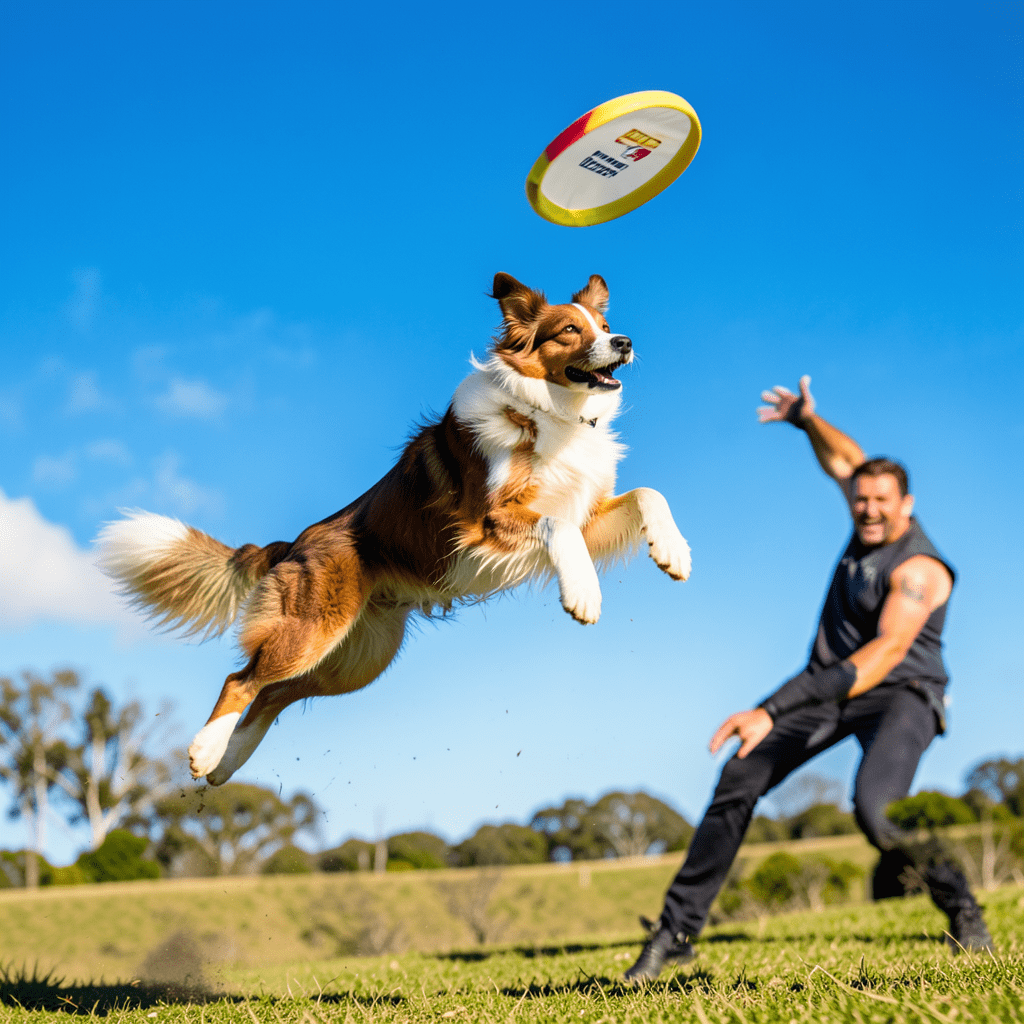



Dogs bring companionship, loyalty, and joy into our lives, but even the most lovable pets need guidance to become well-mannered family members. Whether you have a playful puppy, an energetic adolescent dog, or an older companion with behavioral challenges, investing in professional dog training Queen Creek services can make a lasting difference.
Training is about much more than teaching commands. It helps dogs understand expectations, improves communication between owners and pets, and creates a safer, happier environment for everyone involved. As more families in Queen Creek welcome dogs into their homes, the importance of structured, professional training continues to grow.
In this guide, we’ll explore why dog training matters, common behavioral challenges, what to look for in a trainer, and how the right approach can help your dog thrive.
Why Professional Dog Training Matters
Many dog owners attempt training on their own using online videos, books, or advice from friends. While these resources can be helpful, every dog has unique needs, personality traits, and learning styles.
Professional training provides:
- Structured learning plans
- Consistent training techniques
- Expert behavioral assessment
- Clear communication methods
- Customized solutions for individual dogs
Dogs learn best through consistency and repetition. A professional trainer can identify obstacles that may be preventing progress and help owners implement effective strategies that produce reliable results.
Training also helps prevent small issues from developing into more serious behavioral concerns over time.
The Benefits of Dog Training for Families
A well-trained dog contributes positively to household life. When dogs understand boundaries and expectations, daily interactions become more enjoyable and less stressful.
Some key benefits include:
Improved Communication
Dogs do not naturally understand human expectations. Training teaches them how to respond appropriately to cues and commands, reducing confusion and frustration.
Better Social Behavior
Socialization and obedience training help dogs interact more comfortably with:
- Family members
- Children
- Visitors
- Other dogs
- Community environments
Enhanced Safety
Reliable recall, leash manners, and impulse control can prevent dangerous situations and keep dogs safer in public settings.
Stronger Human-Dog Bond
Training builds trust and encourages positive interactions between owners and their pets. The process creates a stronger relationship based on understanding and mutual respect.
Common Behavioral Challenges in Dogs
Behavioral issues are among the most common reasons owners seek dog training Queen Creek professionals.
Excessive Barking
Dogs bark for many reasons, including:
- Boredom
- Fear
- Territorial instincts
- Attention-seeking behavior
Training helps identify the root cause and introduces healthier ways for dogs to respond to triggers.
Pulling on the Leash
Walks should be enjoyable, not exhausting. Leash training teaches dogs to walk calmly without dragging their owners down sidewalks or trails.
Jumping on People
While often intended as friendly behavior, jumping can create problems for guests, children, and elderly family members.
Professional training establishes appropriate greeting behaviors that are both polite and reliable.
Poor Recall
A dog that ignores recall commands can quickly become a safety concern. Recall training builds responsiveness and strengthens owner control in distracting environments.
Separation Anxiety
Many dogs struggle when left alone. Professional guidance can help reduce anxiety-related behaviors such as:
- Destructive chewing
- Excessive barking
- Pacing
- House-soiling
Why Early Puppy Training Makes a Difference
Puppies experience critical learning periods during the first months of life. Early training helps shape future behavior and encourages healthy development.
Key puppy training areas include:
- House training
- Crate training
- Basic obedience
- Socialization
- Bite inhibition
- Confidence building
Positive early experiences help puppies develop into confident, well-adjusted adult dogs.
The earlier owners begin training, the easier it often becomes to prevent unwanted habits from forming.
Understanding Positive Reinforcement Training
Modern dog training emphasizes reward-based learning methods that encourage desired behaviors.
Positive reinforcement involves rewarding dogs when they perform the correct action. Rewards may include:
- Treats
- Praise
- Toys
- Playtime
- Affection
This approach helps dogs associate learning with positive outcomes, making training sessions more enjoyable and productive.
Research and practical experience consistently show that dogs learn effectively when motivation, consistency, and clear communication are prioritized.
Dog Training Queen Creek: What to Look for in a Trainer
Not all trainers use the same methods or provide the same level of expertise. Choosing the right professional can significantly impact your dog’s progress.
When evaluating trainers, consider:
Experience
Look for trainers who have worked with a variety of breeds, ages, and behavioral challenges.
Training Philosophy
Ask about the methods they use and whether their approach aligns with your goals and values.
Customized Programs
Every dog is different. Effective trainers tailor their programs to individual needs rather than applying a one-size-fits-all solution.
Owner Education
The best trainers teach owners how to continue reinforcing behaviors at home.
Clear Communication
Training should be understandable and practical for both dogs and their families.
The Role of Consistency in Training Success
One of the biggest factors affecting training outcomes is consistency.
Dogs learn through repetition. When family members use different commands or enforce different rules, confusion can slow progress.
To maintain consistency:
- Use the same verbal cues.
- Reward desired behaviors immediately.
- Establish clear household rules.
- Practice regularly.
- Reinforce training in different environments.
Even short daily training sessions can create meaningful improvements over time.
Training Beyond Basic Obedience
While sit, stay, and come are important foundations, advanced training can further improve a dog’s behavior and confidence.
Examples include:
Advanced Obedience
Advanced skills help dogs remain responsive despite distractions.
Public Manners
Dogs learn how to behave appropriately in public spaces, around crowds, and during outings.
Off-Leash Reliability
When appropriate and safe, advanced recall training can improve off-leash responsiveness.
Behavioral Modification
Dogs struggling with fear, anxiety, reactivity, or other behavioral concerns often benefit from specialized training plans.
Why Local Training Matters
Working with a trainer familiar with Queen Creek’s environment offers practical advantages.
Local trainers understand common challenges dogs may encounter, including:
- Neighborhood walks
- Public parks
- Community events
- Family-friendly outdoor spaces
- Encounters with other pets
Training in real-world settings helps dogs learn how to apply skills where they are needed most.
This practical experience often leads to more reliable behavior in everyday situations.
The Long-Term Value of Dog Training
Some owners view training as a short-term investment, but the benefits often last throughout a dog’s life.
Long-term advantages include:
- Reduced behavioral problems
- Lower stress levels
- Improved household harmony
- Greater public confidence
- Safer interactions
- Stronger family relationships
Well-trained dogs are often easier to manage during veterinary visits, travel, social outings, and routine daily activities.
The skills developed during training continue providing value for years.
Creating a Positive Training Experience at Home
Professional instruction is important, but success also depends on what happens between sessions.
To support your dog’s learning:
- Keep training sessions short and engaging.
- End sessions on a positive note.
- Reward desired behaviors consistently.
- Avoid unrealistic expectations.
- Practice patience during setbacks.
- Celebrate progress, even when it is gradual.
Dogs learn at different rates. Maintaining a positive mindset helps encourage ongoing improvement.
Building Confidence Through Training
Confidence is an often-overlooked benefit of dog training.
Many behavioral issues stem from uncertainty or fear. Training helps dogs understand expectations and navigate their environment more successfully.
Confident dogs are often:
- More relaxed
- Easier to manage
- Better socialized
- Less reactive
- More adaptable to new situations
This confidence can improve overall quality of life for both dogs and their owners.
Why More Owners Are Investing in Professional Training
As awareness of canine behavior continues to grow, more pet owners recognize the value of professional guidance.
Modern training goes beyond obedience and focuses on:
- Relationship building
- Communication skills
- Behavioral development
- Mental stimulation
- Emotional well-being
Professional dog training provides practical tools that help families enjoy more rewarding relationships with their pets.
Final Thoughts
Choosing professional dog training Queen Creek services is one of the most valuable investments you can make in your dog’s future. Training creates structure, strengthens communication, and helps dogs become confident, well-behaved companions.
Whether you’re starting with a young puppy or addressing challenges with an older dog, the right training approach can produce lasting results. By combining professional guidance, consistent practice, and positive reinforcement, dog owners can build stronger relationships with their pets while creating a safer and more enjoyable life together.
For families seeking trusted support, Rob’s Dog Training provides the expertise, experience, and personalized guidance needed to help dogs reach their full potential while strengthening the bond between dogs and the people who love them.




Leave a Reply